
Life on the Roman frontier forts is commonly thought of as a bleak and harsh existence, full of raids, terrible weather and missing home. Whilst it is true that the threat of the Picts and the gloriously unpredictable weather of Scotland would have made life for the Roman legions hard, it was not all doom and gloom. Archaeologists have found many items to show that the Romans made these forts their home away from home.
In about 142 AD, construction began on the 37 mile long Antonine Wall and its 16 forts. The wall was occupied until about 165 AD, when it was abandoned and the troops retreated to the safer (and marginally warmer) Hadrian’s Wall. They did, however, leave us with a wealth of objects that we can now use to gain a glimpse of what life was really like for these legions on the frontier.
What Would the Forts Have Looked Like?
Not every Roman fort on the Scottish frontier looked alike. However, whilst they ranged in size and function, each fort contained similar aspects.
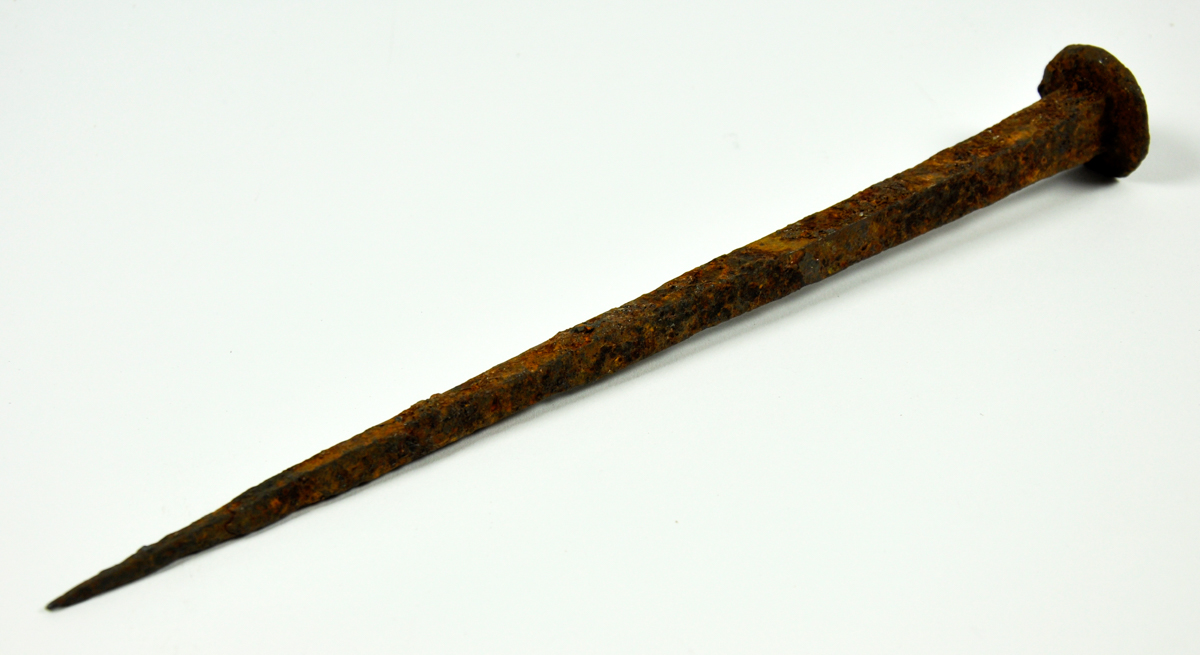
Defending the forts were the ramparts. Ramparts were usually formed with turf blocks, and defensive ditches that ran the entire way around the fort. To protect these ramparts, there were towers along the perimeter of the walls and in each corner. This provided the forts with defences that could see what was coming on all sides. Whilst it was common for earth and timber to be used, in some more important forts, stone and masonry were used instead. For instance, at the fortress of Inchtuthil, stone was used for the walls and gate towers. However, the buildings inside were still made of timber, held together with large iron nails. A large deposit of these nails was found at Inchtuthil, hidden and buried because they were too difficult for the Romans to transport south with them when they abandoned the fort and they did not want the Picts or other Caledonians to find them and smelt them into weapons.
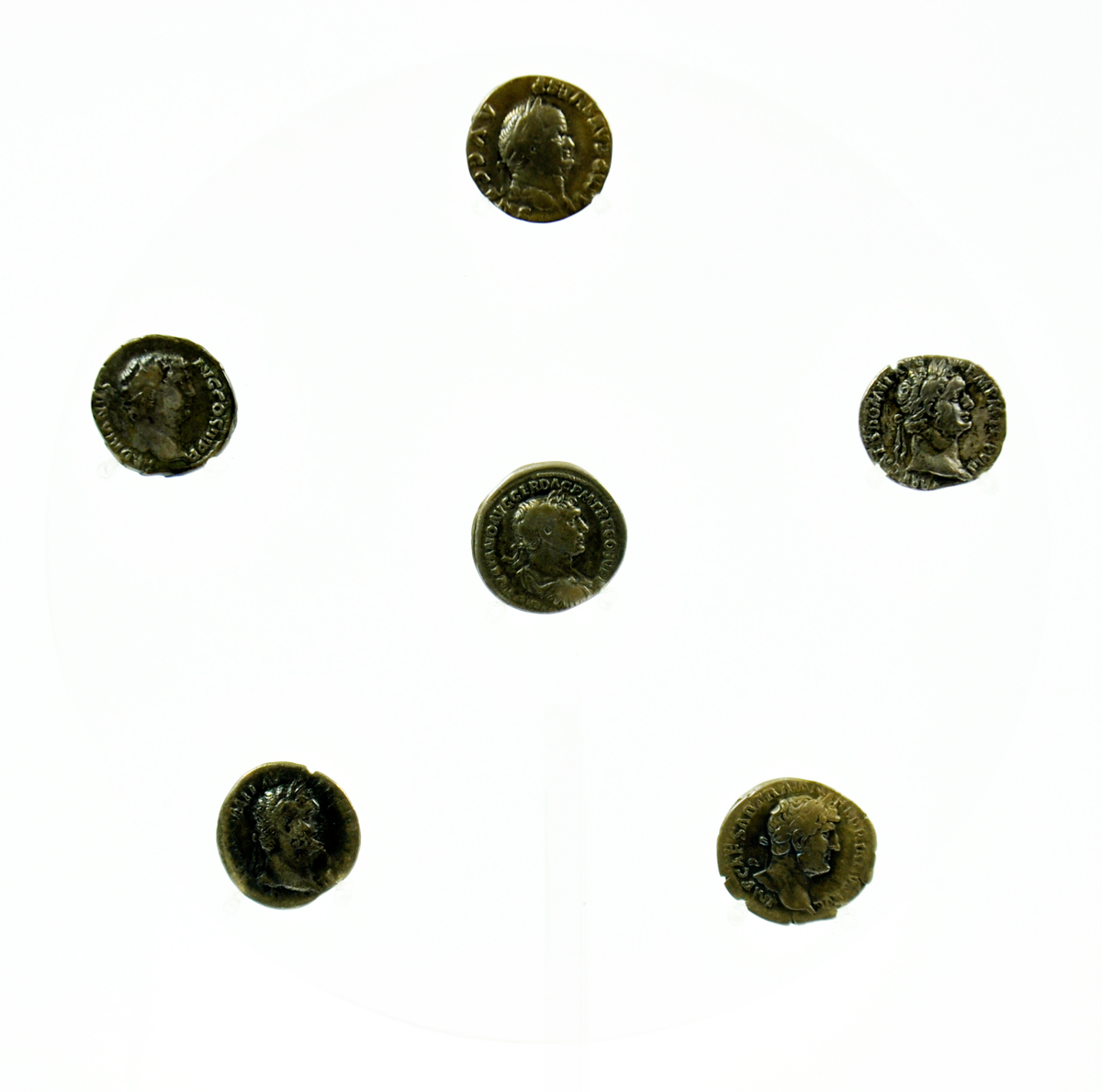
Inside the fort, you would find buildings like the barracks. Smaller barracks were occupied by the soldiers and the larger accommodations were for the centurions and the commanding officers and their families. Soldiers’ families and other civilians would have lived outside the fort in a separate, but nearby, settlement. The fort would have held a granary, bread ovens, toilets, bathhouse, and altars. This would have made the fort seem more of a home away from home. At the very heart of the fort, was the Principa. This was the headquarters for the garrison and it consisted of a large hall with a few small offices just behind. The Principa provided a place to gather and instruct the soldiers on their daily tasks, perform religious ceremonies, and safeguard any coins.
Religion
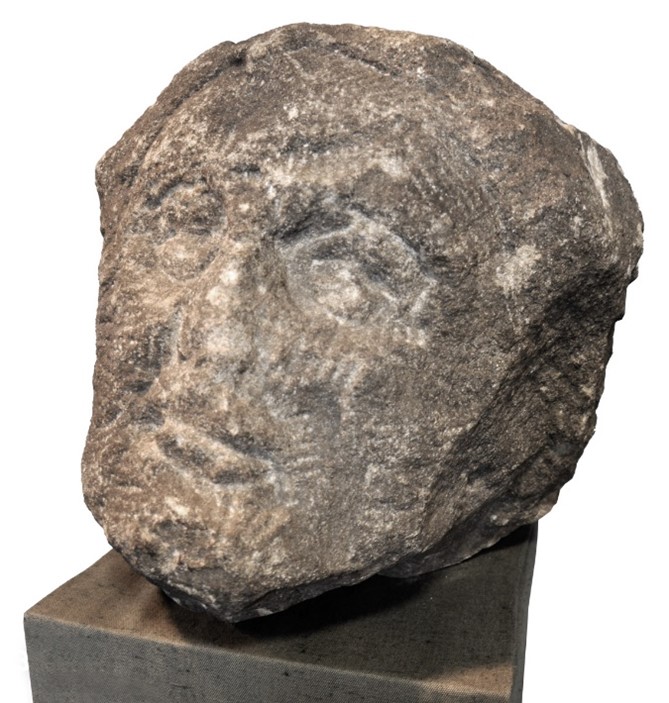
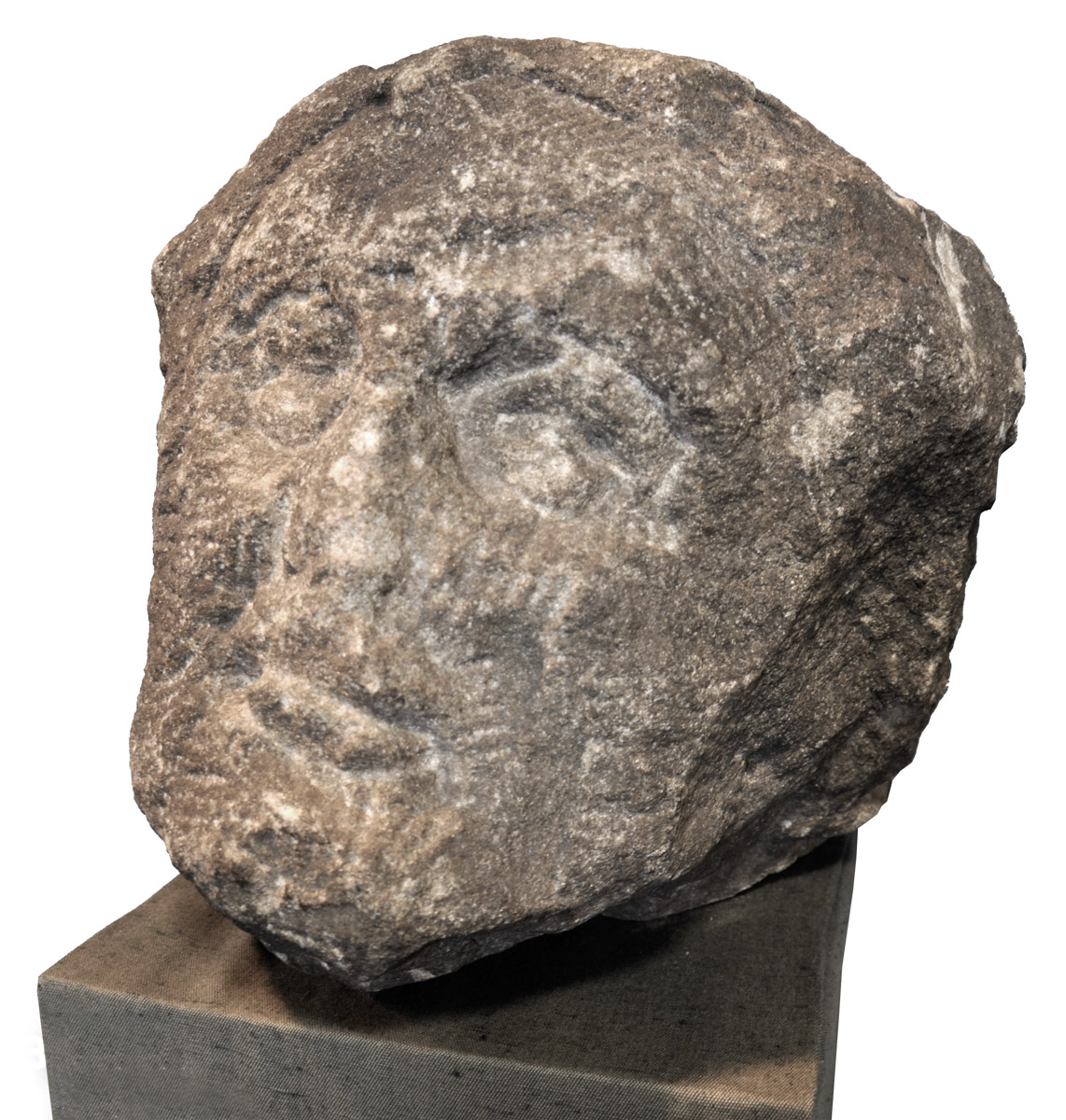
Offerings, ceremonies and prayer would have been a key part of the legion’s regime. It was imperative to never offend a god, lest you want to risk their wrath. Therefore, altars were an important part of any fort. One altar that is believed to be still standing in its original spot is the Carrick stone in Cumbernauld, however, the god it belongs to is unknown. Soldiers would pray to a specific god, or group of gods, and ask for assistance. If their prayer was fulfilled, a sacrifice would be made in that god’s name. In order not to offend any local gods, offerings were made to them as well. One of the most important Roman gods for the legions would have been Mars, the god of war. We can see evidence of this worship at Croy Hill Fort where altars to Mars have been found. With these altars, a statue head was also discovered. This head is believed to depict one of the gods, but it is not known which one, or even if it is a Roman god as its carving style suggests a Celtic influence. Statues like this one would have been painted with lavish colour, giving the art a lifelike appearance.
Leisure and Social Life
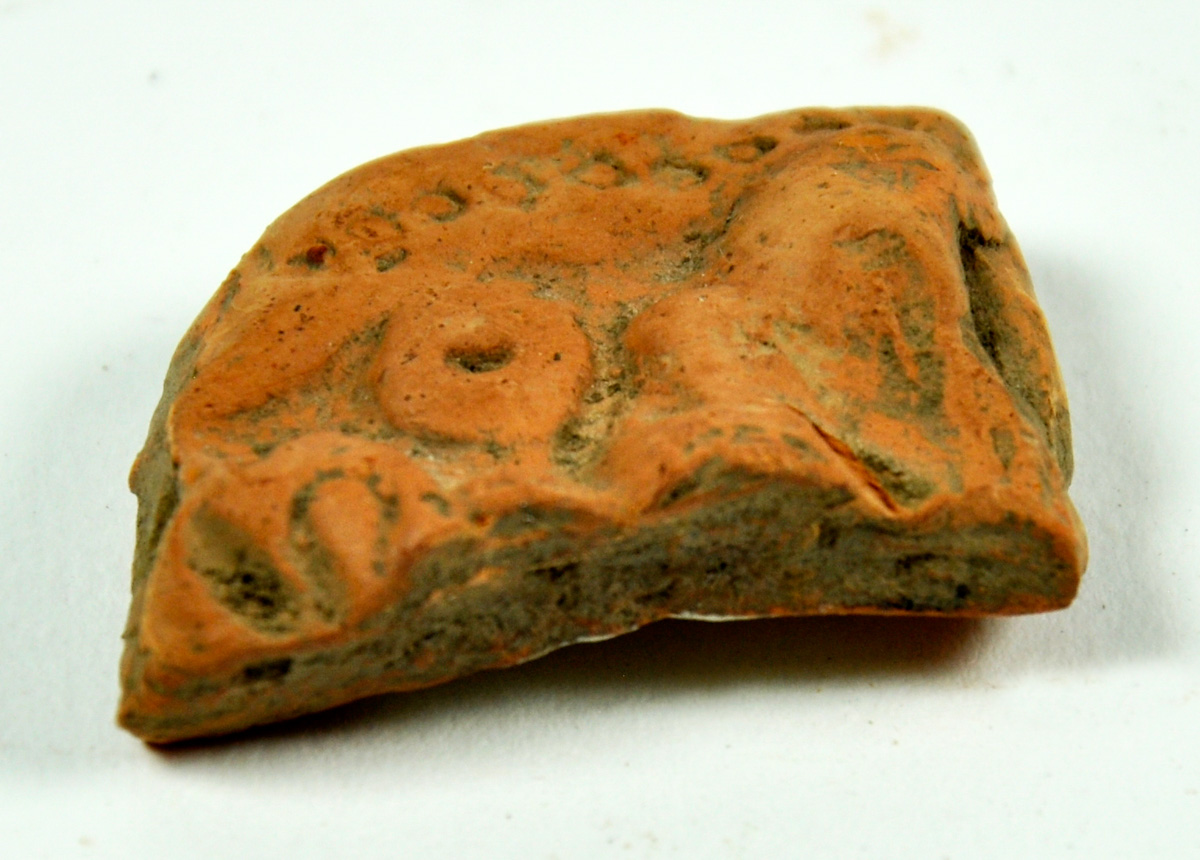
Life on the forts was not all war. Bathing would have taken up a good portion of the soldiers’ leisure time. Bathing was not the simple, mundane act that we think of when it comes to modern hygiene, it was a fundamental of Roman leisure. Every fort would have had a bathhouse for the men to cleanse, gamble, socialise, and eat in. Just outside Motherwell, we find an excellent example of a Roman Bathhouse known as the Bothwellhaugh Bathhouse. Within were found pieces of Samian ware pottery. Samain pottery was considered a wealthy piece of tableware and would have likely been used in the bathhouse to serve food or drink to the soldiers. However, as we do not have the pot intact it is hard to determine the exact function of the pottery.
As the men entered the bathhouse, they would have found themselves in a changing room. After changing, they would then proceed into the cold room where the worst of the dirt would have been washed off. Following this, the soldiers would have moved into the two warm rooms, meant for relaxing. After followed a hot room. Much as you would in a modern sauna, the men would sit and wait to sweat. Once they were sweating heavily enough, the dirt could be scraped off, along with any fragrant oils they wished to apply. The soldier would then exit back through the rooms, gradually cooling off and finishing with an invigorating dip in the cold bath.
Feel free to explore the sites of these forts and bathhouses for yourself with many being local to the North Lanarkshire area. A map of the sites along the Antonine Wall can be found following this link: antoninewall.org/map
About the Author
Written by Digital Collections Volunteer, Bryony Chapman. Bryony has a BA (Hons) in Ancient History and an MSc in Museum Studies. Her main area of interest is Roman life and influence in Scotland.