
The social event of going to the Movies, Cinema, Picture Palace, or just “the pictures,” has been around since the late 18th century.
The process of cinema started off as silent and short but not in any way un-entertaining, as we moved into the 1920’s the film industry progressed and “talkies were now mainstream” the ability to now have sound and speech combined and the introduction of colour, saw the film industry escalate in popularity. This meant movies became longer and more extravagant. Going to the cinema became glamorous and exciting with it reaching its highest popularity in the 1930. Which is known as its Golden Age.
The reason cinemas grew popular is in relation to the economic conditions people were living in at the time. This was a generation who had just survived the brutality of World War 1 and were still suffering and recovering as a nation and as an individual. During this time, the American market crashed; also known as The Great Depression. This had a knock-on effect around the world including the United Kingdom. Thus, creating devastating hardship for everyone in the 1930’s
The people of North Lanarkshire were no exception to this. Scotland felt the effect through high unemployment, crowded housing, and health issues in the community.
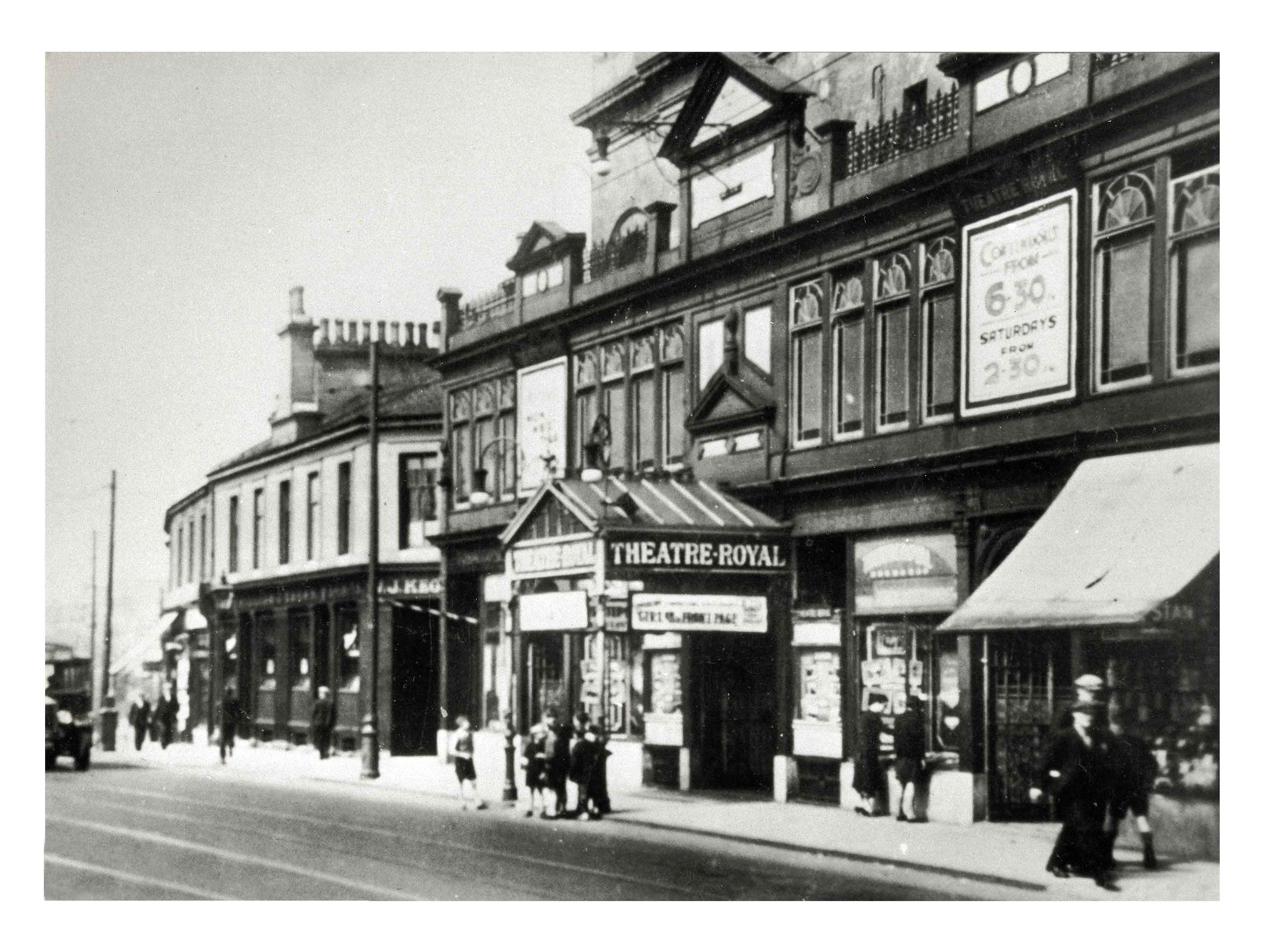
But despite all this negativity as a nation, this was a time that the cinema industry thrived. Across Scotland alone there were at least five hundred cinemas. Local towns like Motherwell had six, Coatbridge and Airdrie each having five and it was quite common to have more than one in your nearest town. If we think of going to the cinema today, where we have only two or three venues close by and most towns not even having any in their own town, in relation to the contrast in the 1930’s, gives a clear picture of how in demand the cinema was. The picture below shows an example of how popular cinemas had become in the 1930’s.

So, what was the appeal?
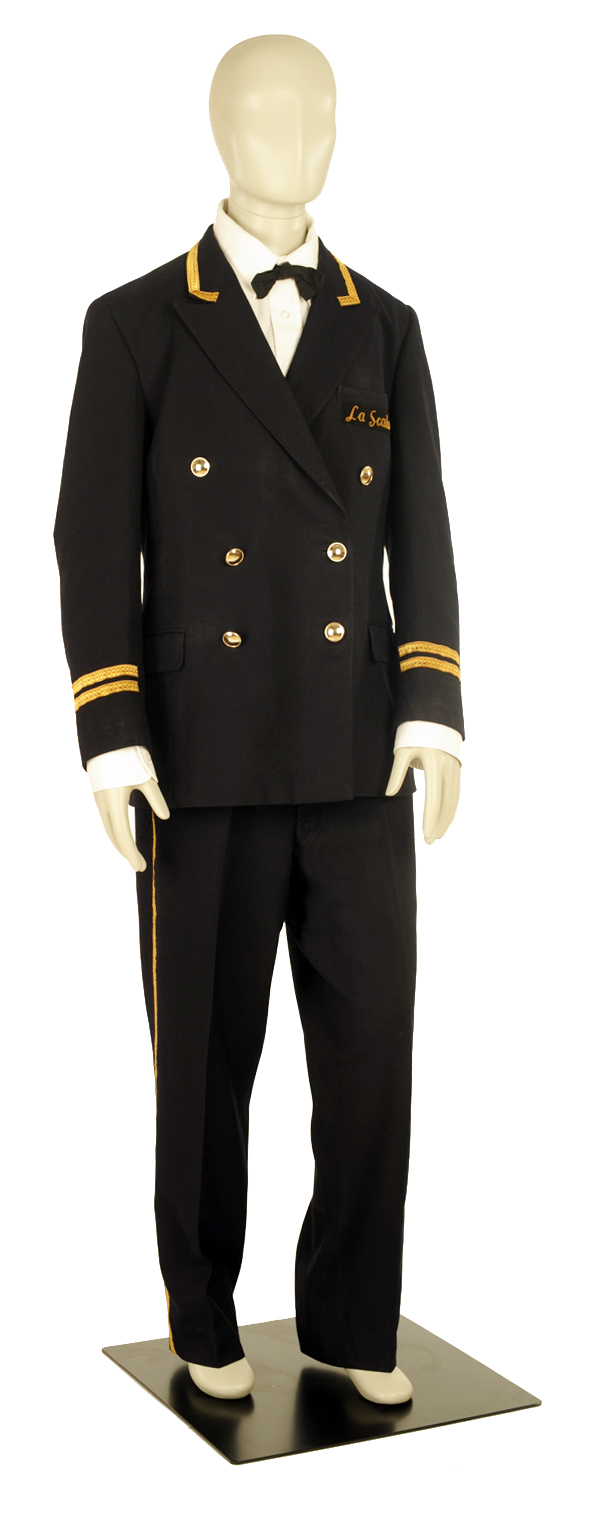
With truly little to do and no finances to do anything there was a market for something, the people needed cinema. It filled a void and gave people an opportunity of escapism from their lives but what made the cinema so popular was more so to do with the feeling that people got when going. Most cinemas had a touch of glamour outside and inside, (as shown below) the staff were smart and formal, cinemas had features like chandeliers, comfortable seats and supplied sweets giving a grandeur and luxury experience missing from other areas of life.
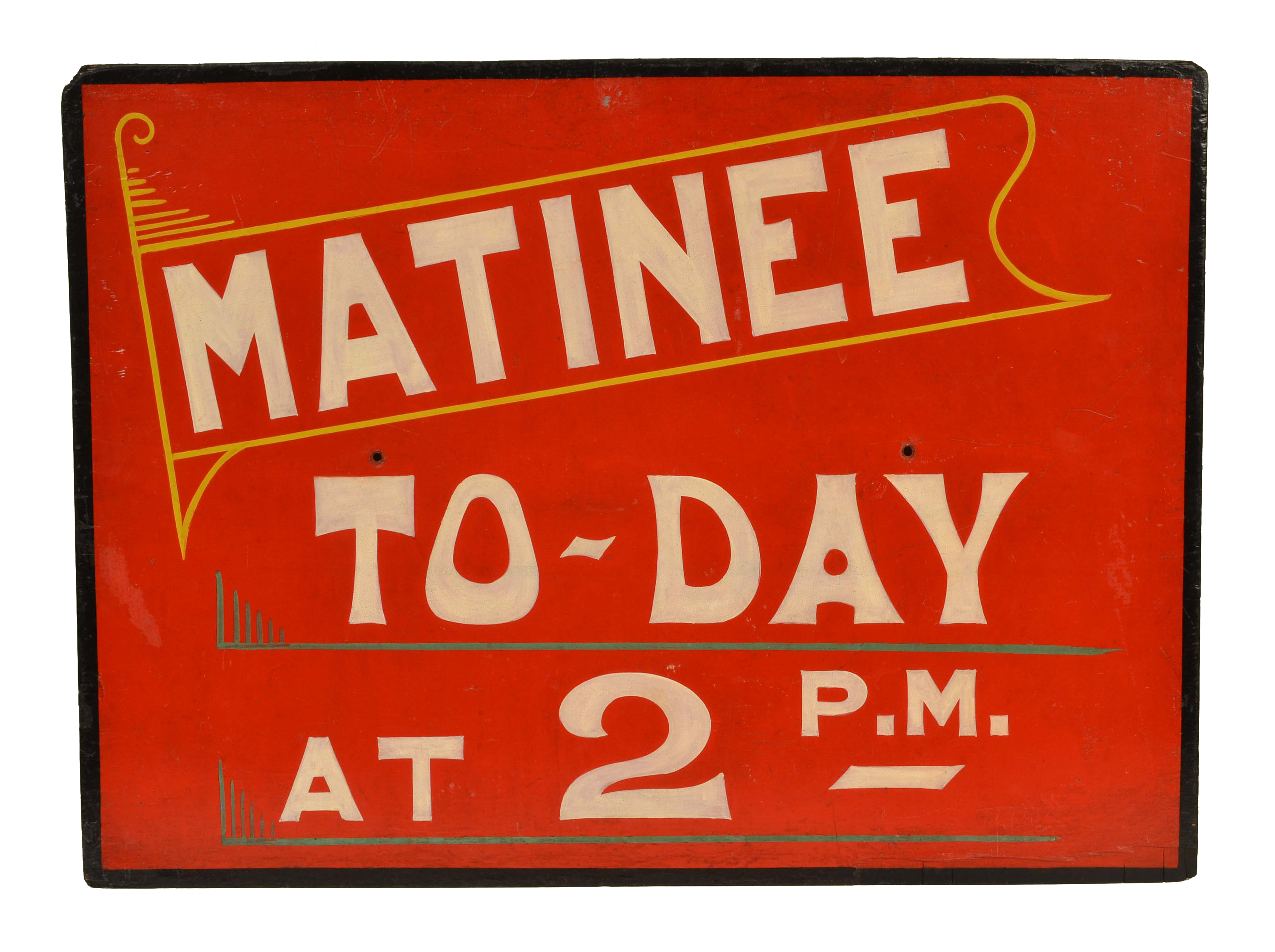
Cinemas used posters and programs like the ones shown below, to convey the star’s price and time and time movies were running at.
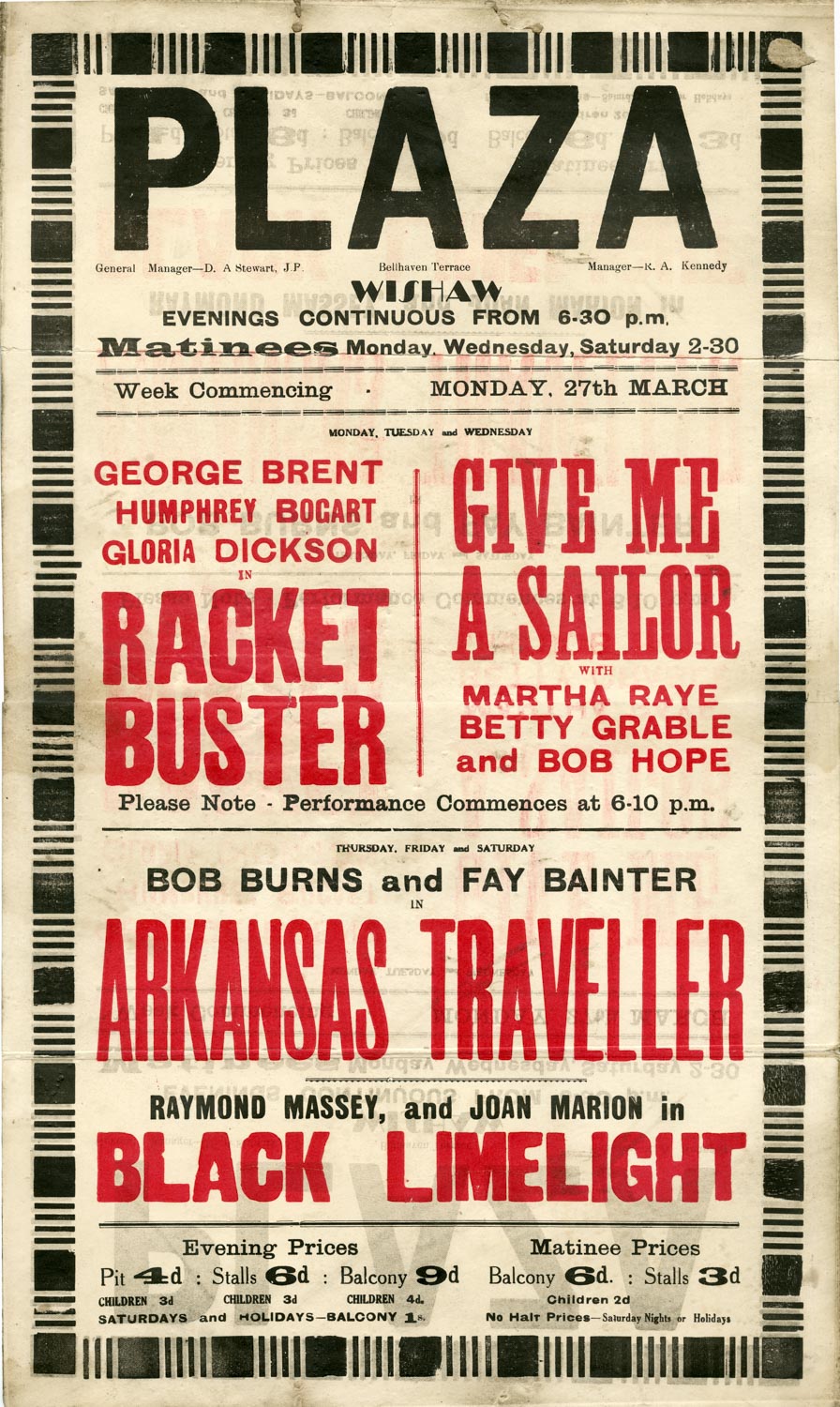
The prices were cheap, the films the cinemas showed were elegant. There were several types and many of the great classics’ films were being produced around this time. Elegance and escapism were key to making films in the 1930’s. Most prominent were American movies, the most popular being musicals and westerns.
A new movie trend that had also started during the 1930’s, “Universal Monsters”’ The classic horrors like “Frankenstein,” “A Bride of Frankenstein” “The Mummy” all starring Boris Karloff, to “Dracula” with Bela Lugosi gave scares, thrills, and a touch of gothic art deco with glamorous costumes and spooky charm included.


Cinema Posters, 1930s
Hollywood supplied handsome and dashing actors like Clark Gable, and Earl Flynn who gave charisma and adventures, while James Stewart, James Cagney and Humphrey Bogart portrayed hard working-class men who faced crimes, mysteries and sometimes romance. It was not just American actors who were leading men, British born actors like Cary Grant, Leslie Howard, or Oliver Lawrence to name also featured.
The leading ladies were not to be missed. The most iconic fashion/ movie star icons of the time From Greta Garbo, Vivien Leigh, and Betty Davis (shown, below) created trends in fashion, hair, and makeup.


Greta Garbo, Vivien Leigh and Betty Davis (left to right)
During the depression cinema’s also created jobs for the community while providing cheap entertainment. Special shows during the day or on a Saturday were cheaper. Children also got cheaper prices. Cinemas did kids clubs or shorter films for matinees which were more catered to a younger audience. There is also the story we have all properly heard about jam jars used as currency, an urban myth most would believe, but there are various verbal records from all over Scotland that confirm this. The actual reason behind it was a recycling scheme like the one used for ginger bottles in recent times. People and children were able to watch films free of charge due to this scheme.
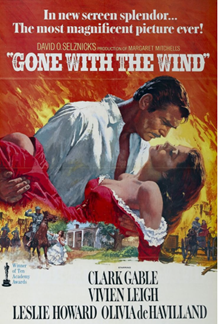
Thus, with a combination of all these elements cinema became an important part of 1930’s society it was an escape from the day-to-day reality. A chance to forget the hardship, unemployment, and tough times people faced daily. The big screen gave an hour or two into someone else’s story, sometimes extravagant, sometimes a world far away, some of make believe. All different from the reality people were facing. A splendid example of how colourful and extravagant the films must have been, are the two of the most successful films of the late 1930’s,” Gone with The Wind” and “Wizard of Oz”. With the introduction of colour these iconic films would have been something to see with the bright colour music and acting on the big screen. It would give the audience, the escapism they needed.


Metro-Goldwyn-Mayer Posters, 1939
The cinema is something we have all done. Be it as a treat for the kids, a date night with your significant other. Or a girl’s or boys’ night out to see the latest romcom or sci fi movie. Cinemas can be large and have the latest visual and sound equipment, others are local cinemas with basic chairs. All still do the same job they did back in the 1930’s. They create a chance to experience hours of escapism, to allow us to get lost in a story and forget what is going on outside. When we look back and think about our experience of the cinema it may generate memories from our childhood, or simply remind us of great films we enjoyed. Though not as popular as it was, I think we can see how important and wonderful part the cinema played in helping those who lived in our community in the 1930’s.
If you would like to learn more about individual cinemas or further information about the cinemas, what happened to the buildings and how they were run, then click the links here for other fab stories on the website. culturenlmuseums.co.uk/stories/?s=cinema
Or if you want to see the some of the glamour and glitz in real life, come along to exhibition in North Lanarkshire Heritage Centre running until 17 August. More details can be found on the link here. Exhibitions at North Lanarkshire Heritage Centre (culturenl.co.uk)
About the Author
Sheryl is a Volunteer Digital Collections Assistant with the Curatorial Team at North Lanarkshire Museums.