
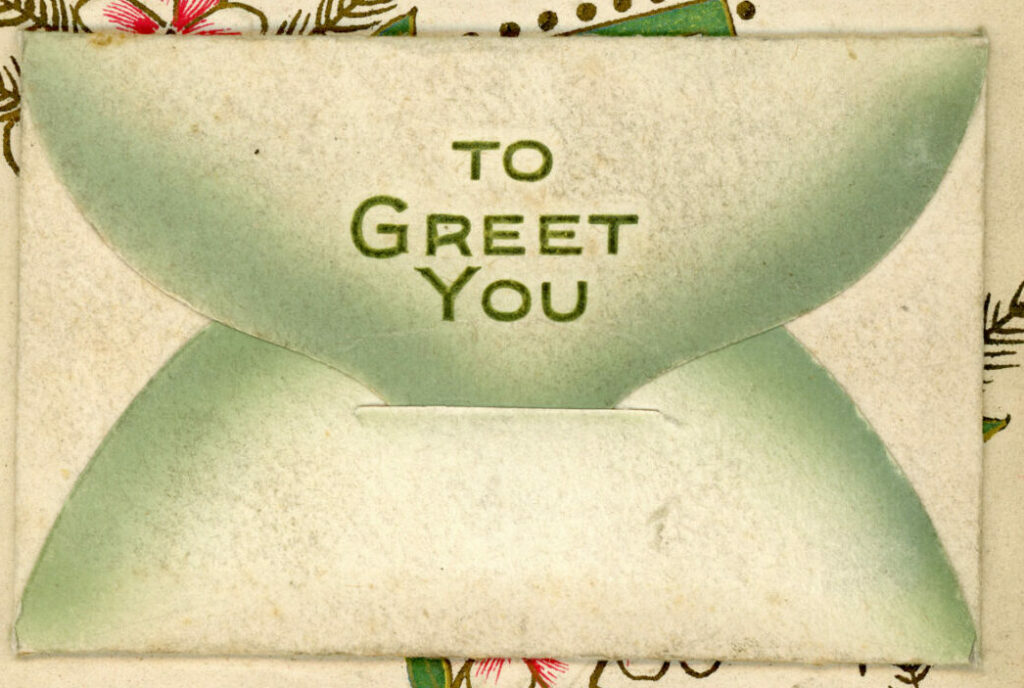
During the Christmas season I thought it would be a wonderful time to highlight the substantial and vast objects that the museum has. The collection covers many areas and time periods and gives us a snippet of people’s lives in North Lanarkshire. We do this by re-telling their stories. The collection covers all stages in time, and it can be hard to find to pick one specific thing to write about. You can find things from as early as the Iron Age, like a quern stone to mini tartan dresses worn by Fran and Anna Watt from the 70’s (shown below).


Fran and Anna Watt
So, with the idea of what makes a good Christmas and how we celebrate this time of year, I started to look through the collection. When trying to highlight one specific thing I tried to think about when it comes to the holiday season, what are certain items or events we must mention? The most obvious thing people mention is spending time with family and friends. It is also a time of gift giving, traditional dinners with our nearest and dearest. So, I thought I would cover a few things in the collection that focus on those things.
Celebrating with Family
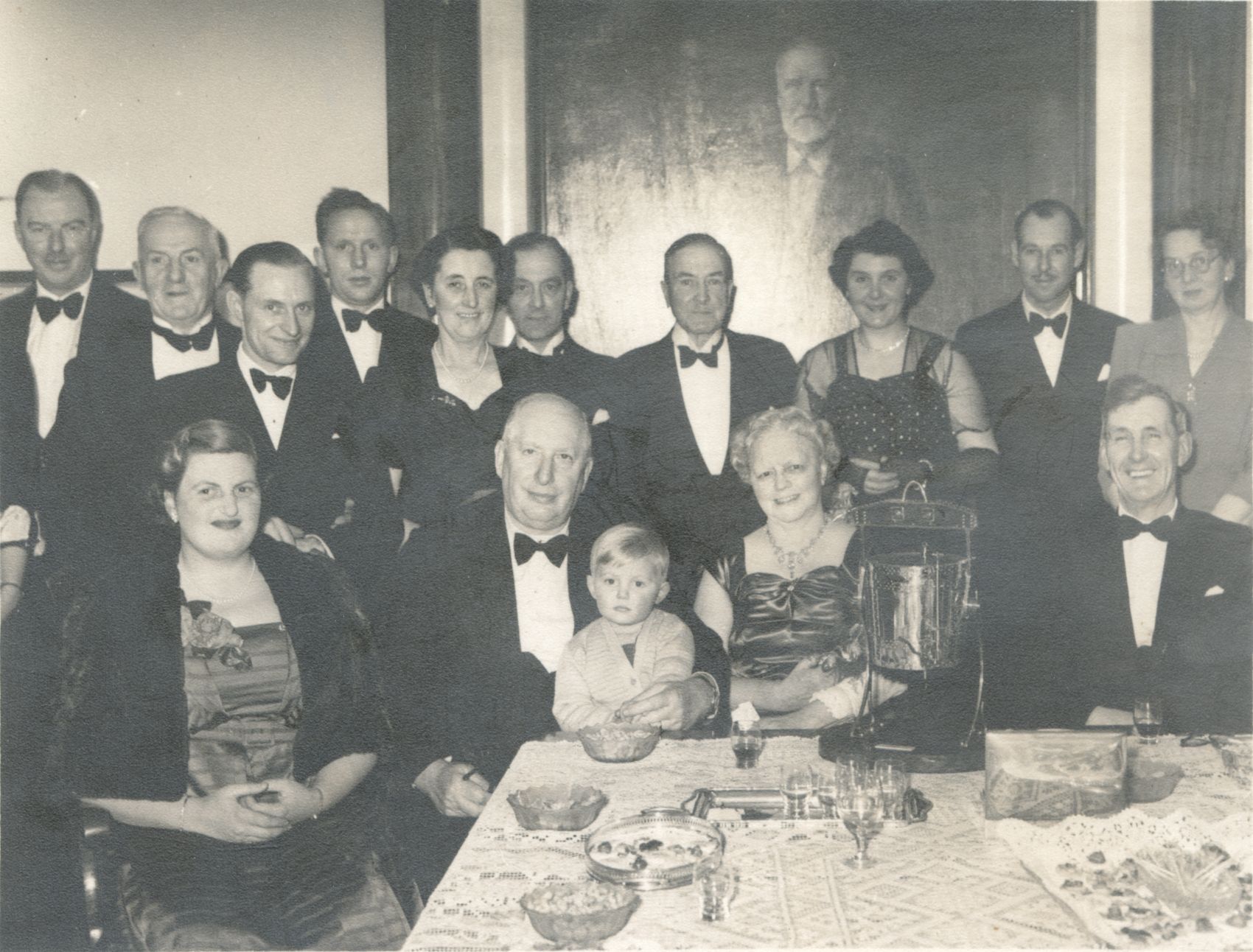
The first thing I found was a picture from our collection that highlights the feelings of dinner and celebration at this time. This is the RB Tennent’s Christmas dinner party dated 1951. The picture displays luxury food and family.
Festive Foods
Though most of us may not be having such a glamorous dinner party, families throughout the years have come together in some respect, and when we do, we all have traditions we take part in, especially at Christmas. We can all remember the selection boxes, the sharing of sweets and biscuits while watching or even listening to Christmas specials or movies in front of the TV.

Traditions
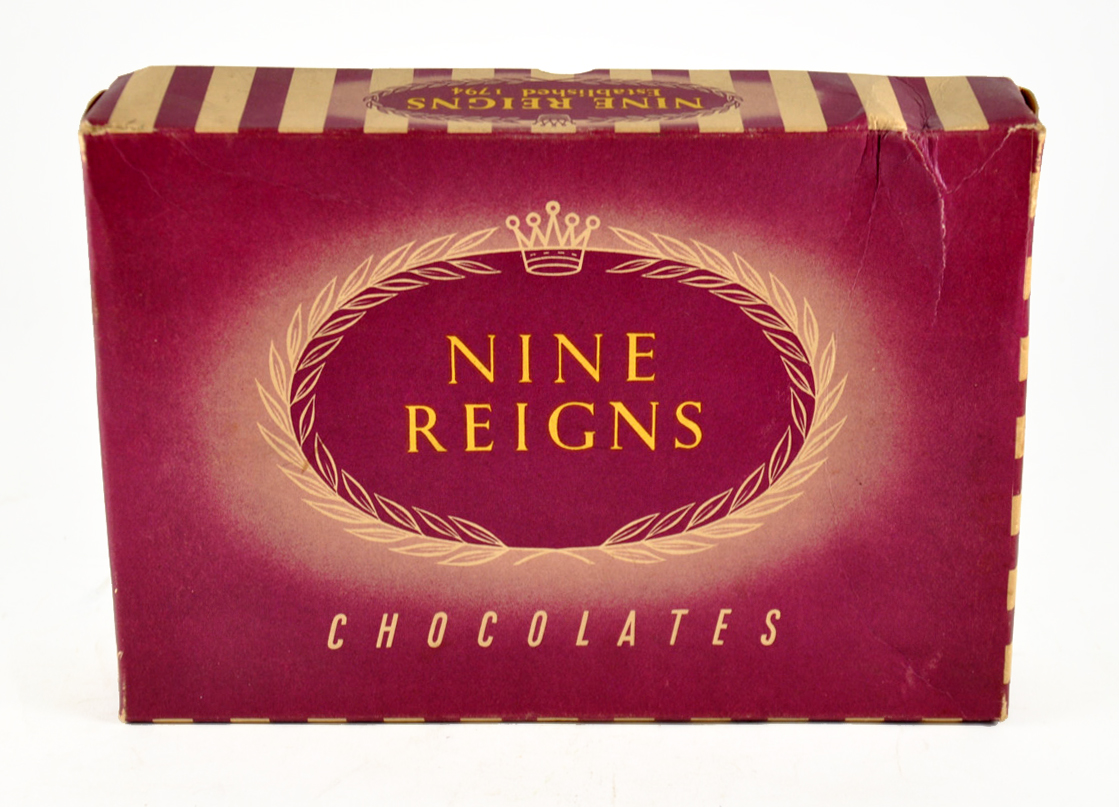
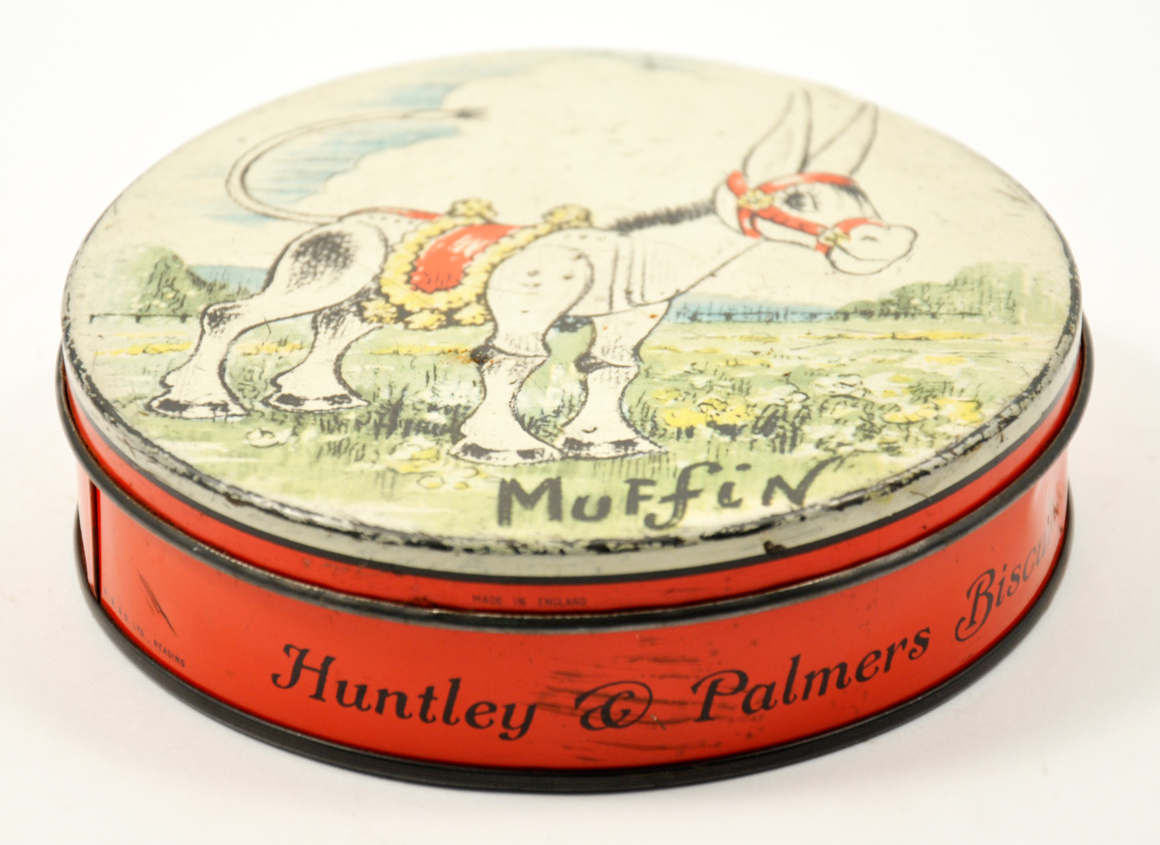
Another tradition for some families in the 1940 and especially during the Second World War would be to have homemade gifts or treats. Rationing played a big part in this and though allowances were increased at Christmas, many family dinners were made up from a home-grown variety of meats and vegetable, though with the increased rations of sugar and butter some were used for cakes and treats. Most people would listen to the radio for the Christmas specials, news on the war and a speech from the King George VI. The variety of chocolates, shortbread, and fruits we have today became more available after the Second World War onwards. A few examples of the types of treats available are shown above. A small number would have well-known characters on them or just colourful boxes. From the 1950s onwards if people had the money they would have treats or gifts like these, while listening to the radio or if they were even more lucky, they may even have had a television like the one shown below.
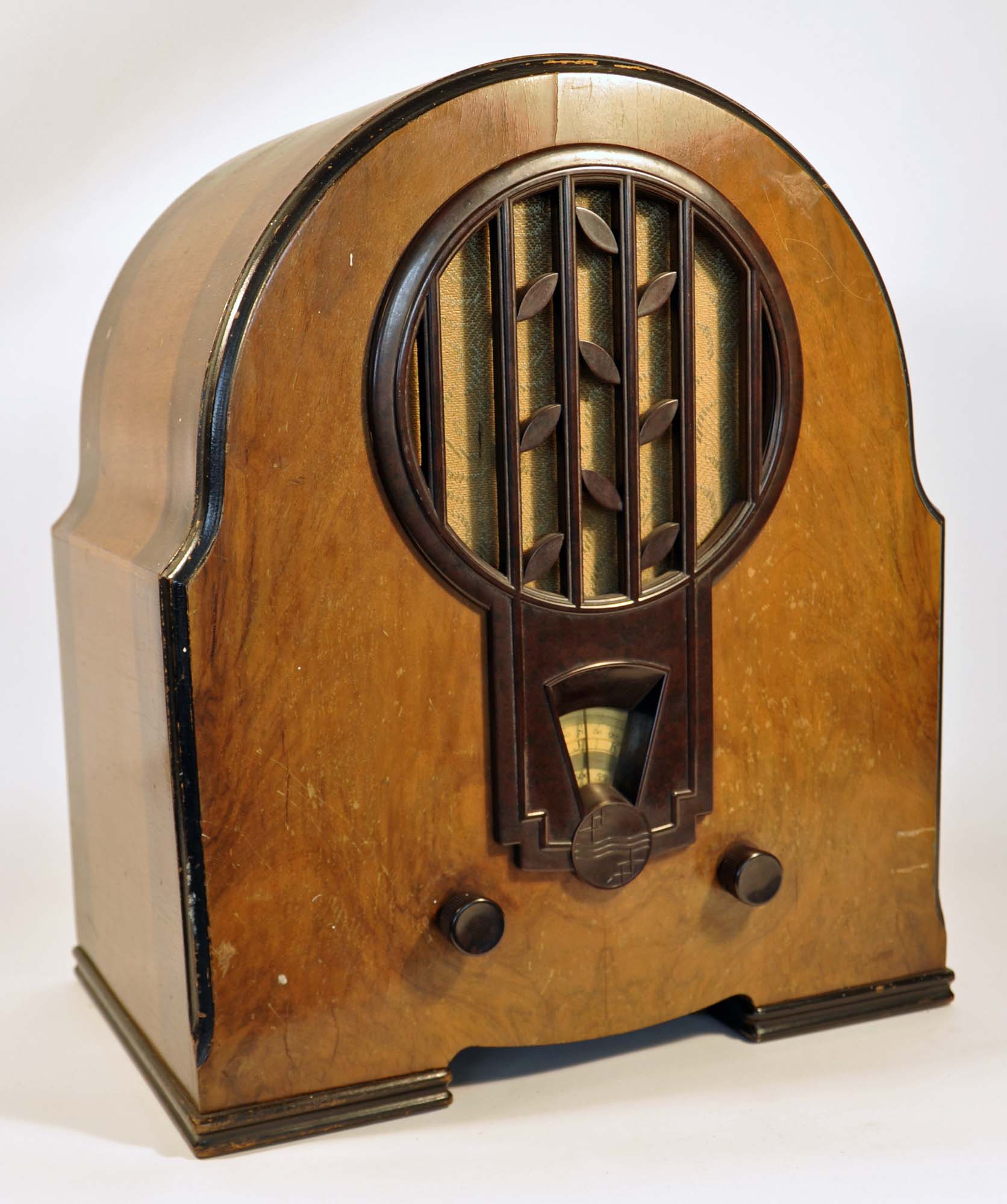
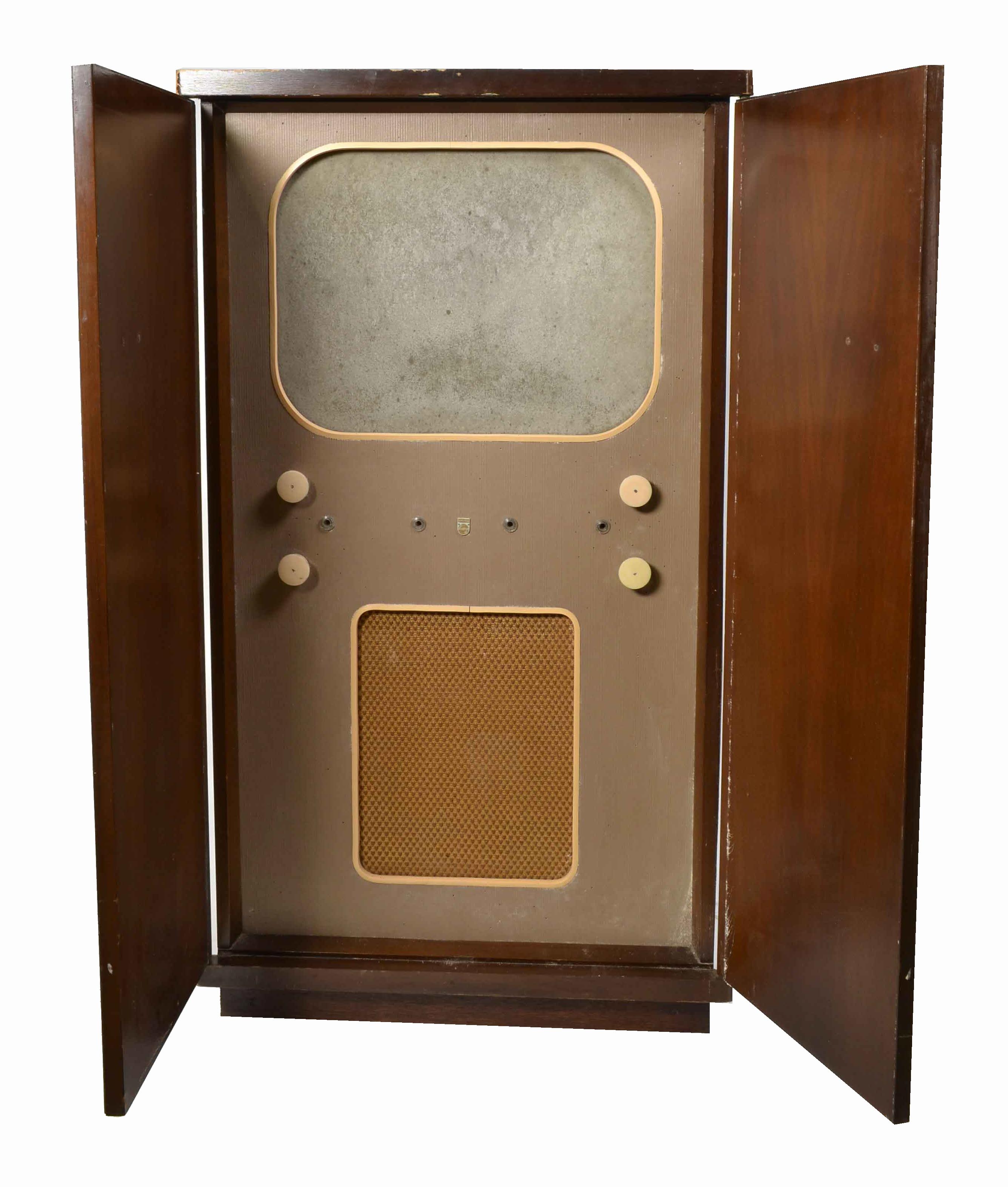
Christmas in War Times
One of the simplest things we do at Christmas is the giving and receiving of Christmas cards. Even today loads of us use Christmas cards to spread joy and hope, it lets us wish the receiver a happy holiday and a happy new year. It allows us to stay connected with people near and far and connect with those we may not see at Christmas due to being far away. Something in the collection that shows in of the most touching artefacts in the collection is a Christmas card from Stalag VIII B prisoner of war camp shown below.

Brief History of Camp Stalag
Stalag VIII B was a prisoner of war camp in Poland next to a village called Lamarf, now known as ?ambinowice. Stalag VIII B opened in July 1941 and there was in total 7 Stalag camps in various locations during World War II including one exclusively for Soviet prisoners of war.
Camp VIII B detained Allied forces. Reports home highlighted that the prisoners’ conditions in VIIB appeared to be good compared to the other camps.
Stalag VIII A was the first camp and the first prisoners were Polish. It was first opened in 1939, that year it held eight thousand prisoners. Those prisoners worked in mines, quarries and built the other local camps.
In 1941 the camps began taking other prisoners from different nations like Yugoslavians, Soviets and then finally the Allied forces. Under the Geneva convention Allied and Polish prisoners had certain protection, unfortunately for the Soviets and Yugoslavian prisoners this was not the case, they faced harder conditions, less food and strict punishment or even death for minor offences.
Prisoners of War Conditions
Allied soldiers in VII B camp had a daily ration allowance, around 1900 calories prisoners could top this up from The Red Cross would supply packages or gifts from home. They had access to medical treatment though they still had to work in the mines and land. This in no way means that life in the camps was good, all prisoners faced execution, non standard living conditions and overcrowding. These factors played heavily in the sickness, injury, and diseases which were common in the camp. Not to mention the effect on the men’s mental health which also suffered. Despite the prisoners dealing with these hardships the prisoners managed to still celebrate Christmas, they were able to create various decorations and gifts like the card above.
Christmas Card from Private Grieves
As we can see it is in a fragile condition now due to it being handmade. The pictures/ drawings on the front show the soldiers having a meal and it looks like a celebration, there is a picture of a band on the right-hand side. The words the toast and the spirit are written under them The creator has written lovely words stating “I hoped I would be spending xmas with you this year but since my thoughts must suffice I’ll greet you this way” showing how the sender wishes he were there at home celebrating Christmas with his family. The delicate details include decorations of holly around the card and the drawings overall are delicate and give the paper it’s Christmas feel. The name that is on the back states it is from J Grieve. We can see the year is 1942 it has come from camp VIIIB. The back of the card also has a postage stamp dated 14/12/1942, posted to a Mrs M Greive 29 the Broadway Wishaw.
Not much is known about Private J Grieves, but I did find this article in the Motherwell Times Newspaper dated 02/04/1943 shown below. It relates the news that unfortunately J Greives may have passed away in the camp, the following April from an injury while working in a quarry. It tells us his age and a bit about his military career.

The Christmas card and the other artifacts shows us a simpler time and when people had to get inventive but also have a lot in common with what we still enjoy about Christmas today. There is a special joy that the holidays can bring to through simple things like giving or receiving even a simple Christmas card. I think the card from J Grieves may have given Mrs Grieves some hope and made her and her family Christmas a little better. That is one of the things what we all look forward to at Christmas/ holidays is the joy of being together and celebrating with each other and I think knowing a little more about the card conveys that it can be the simplest things that can do just that.
Of course, this would not be a Christmas article, if we did not mention the jolly man in the red suit. Unfortunately, we do not have Santa in our collection, but he does visit us. So, if you want to see him or are looking for something to do during December, why not check the links below for all our Christmas and holiday activities throughout North Lanarkshire this winter.

Father Christmas at Summerlee Museum – North Lanarkshire Council (culturenl.co.uk)
About the Author
Sheryl Farrelly is a Digital Collections Volunteer with the Curatorial Team, North Lanarkshire Museums and Collections.