
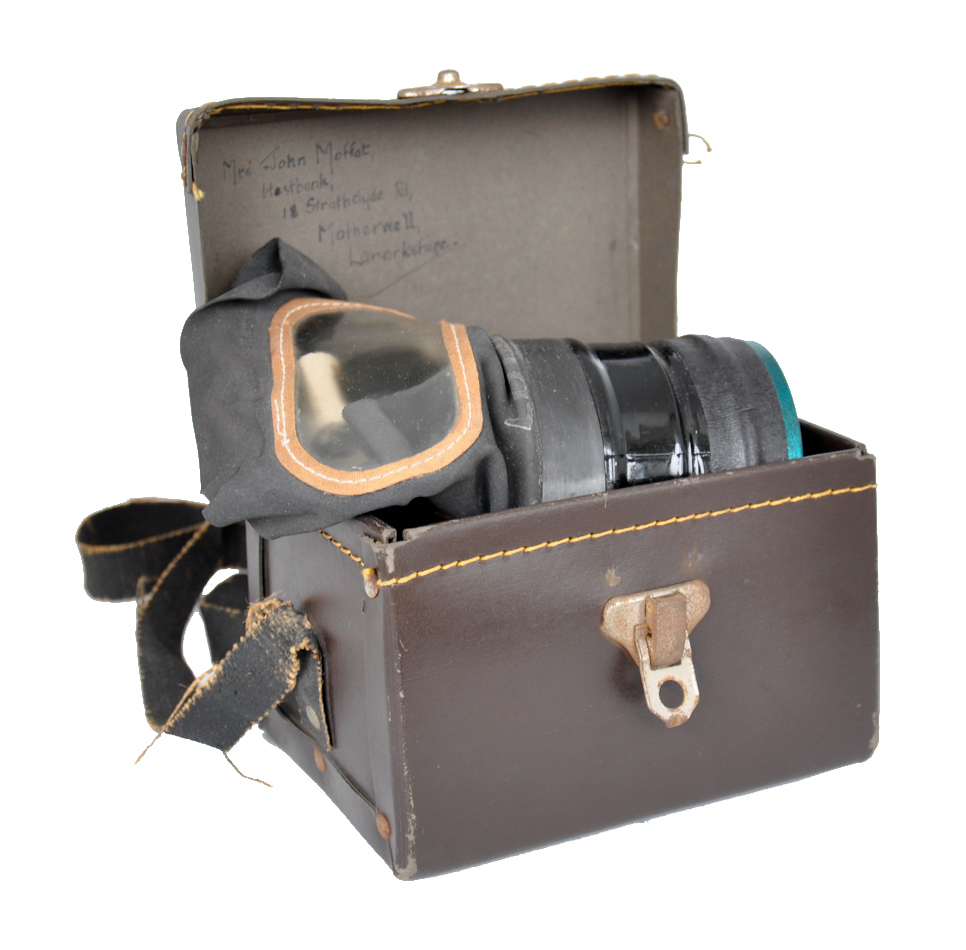
The 85th Anniversary
This month marks 85 years since the beginning of the Second World War. It was mainly fought between the Axis (Germany, Italy, Japan) and the Allies (UK, France, USA, Soviet Union). However, more countries participated and many more cooperated with the Axis or Allies. The war lasted from 1939 to 1945 and about 40 – 50 million people were killed. This makes it the bloodiest conflict in history.
How did it start?
Led by the dictatorship of Adolf Hitler, Germany invaded Poland on 31 August 1939. The UK and France had previously guaranteed military support to Poland if it was invaded, so on 3 September both countries declared war on Germany.
How did it end?
Following Hitler’s suicide on 30 April 1945, Germany surrendered on 8 May 1945 which ended the war in Europe. The USA dropped atomic bombs on Hiroshima and Nagasaki in Japan on 6 and 9 August 1945, forcing the Japanese to surrender on 2 September 1945. This brought the world war horrifically to a close.
Homefront
What happened in the trenches, overseas, and in the air, is the subject of nightmares. What we can imagine and see reflected in the museum collections, is the lives led by those who remained at home during the war, right here in North Lanarkshire.
Clothing Ration Book
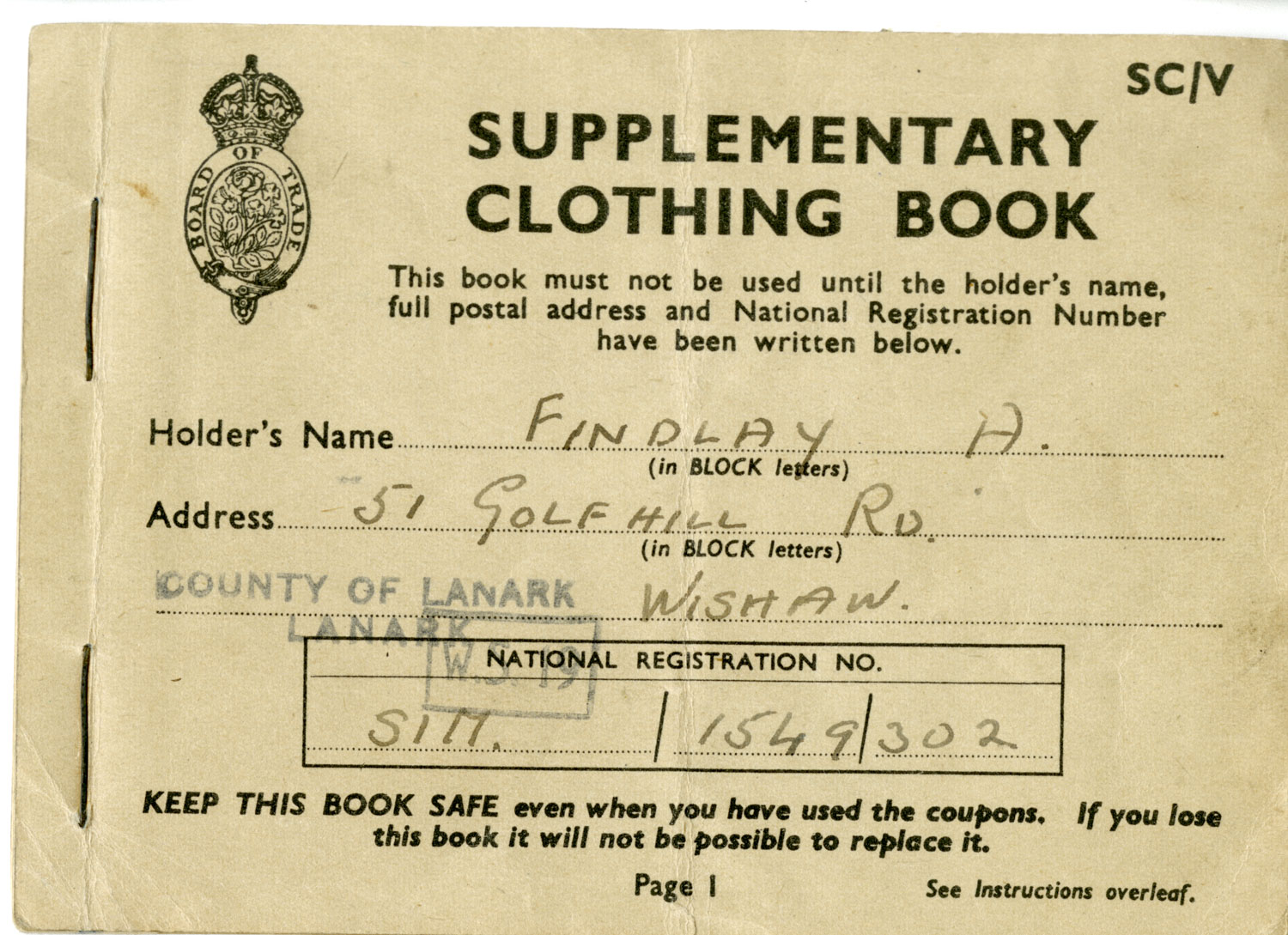
This clothing ration book was issued to a resident of Wishaw, North Lanarkshire. During the war, huge amounts of uniforms were needed for the military and other forces and voluntary organisations. Keeping up with the military’s demand for textiles and fabrics meant producing less clothing and shoes for civilians. As more people and workspaces were needed for the war effort, the government released workers from civilian clothing factories.
Clothes rationing was introduced on 21 June 1941. Not only did it aim to reduce civilian consumption of clothing, but it also aimed to ensure that clothing was shared more equally throughout the population.
Whilst people were entitled to an equal amount of clothing, clothes still came in a wide range of prices. For example, a civilian had to present eleven coupons if they wanted to buy any kind of dress. An expensive and long lasting dress was worth the same amount of coupons as a poorly made one.
Those with more money still benefited and many people had to make do with mending the clothes they already had. The government tried to combat this by introducing the Utility clothing scheme in 1942: a range of good-quality price-controlled clothing.
Fish Control Card for Glasgow Fish Market
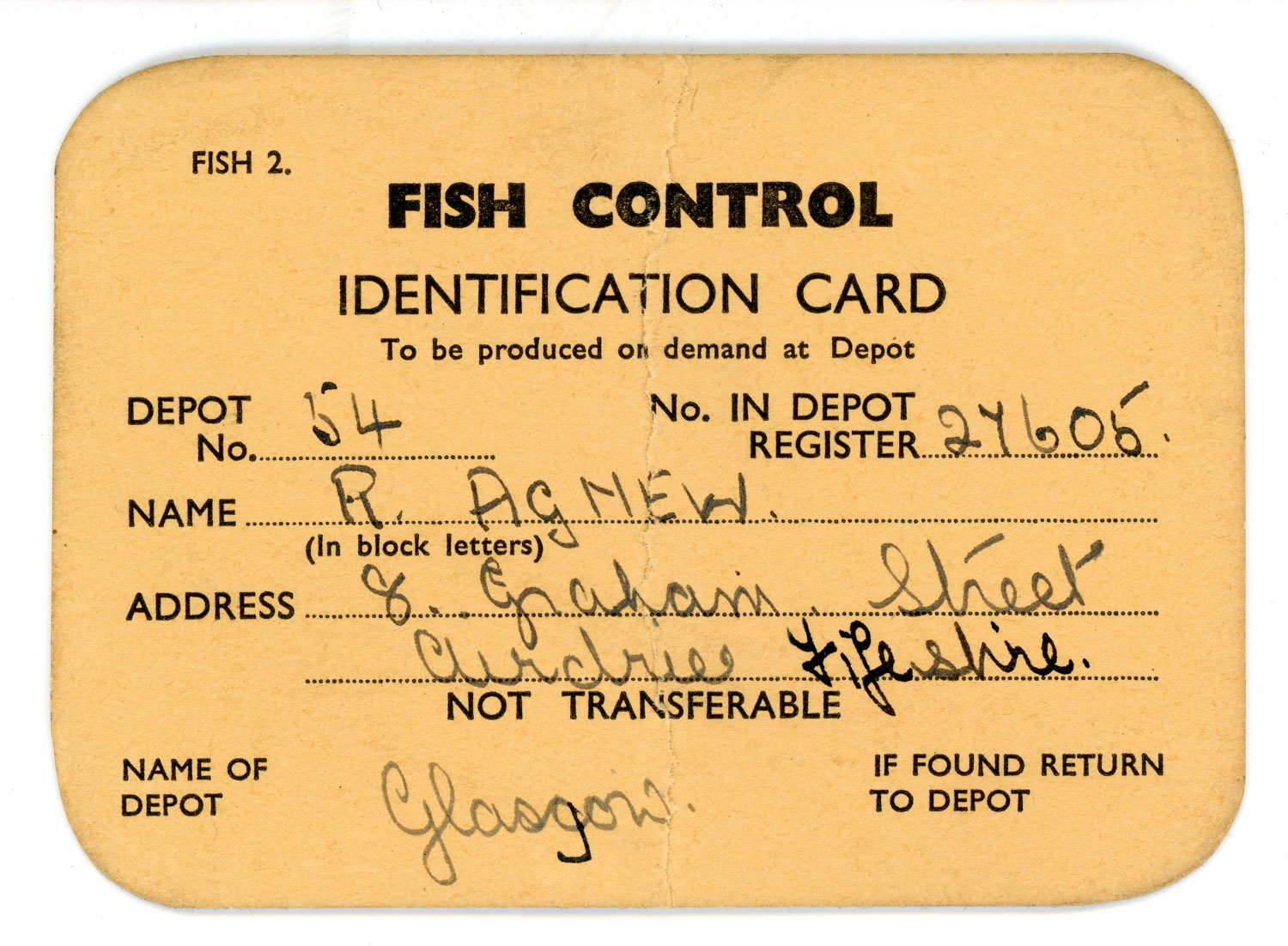
The fact that ID was needed to buy fish shows us how tightly the trade and consumption of goods was controlled during wartime. Fish was considered an essential item but was not rationed because supplies were limited. Fishing was a dangerous task because trawler boats were vulnerable to attack from the air and from German U-Boats – huge ships armed with torpedoes. The government also converted many fishing trawlers into armed escort vessels or minesweepers which removed naval mines to keep sea routes clear.
Fireman’s helmet
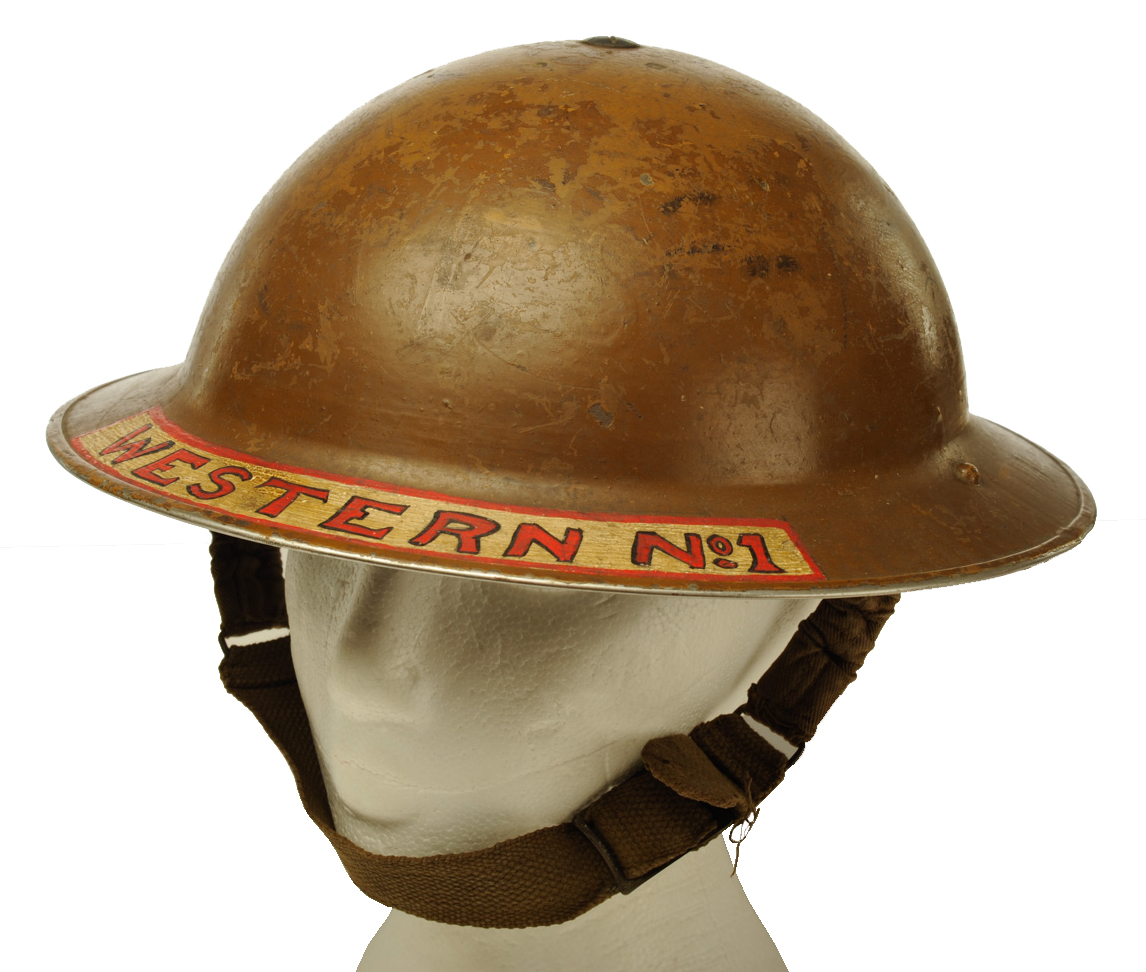
Before the war, firefighting had been organised by local authorities. In 1937, the government introduced the Auxiliary Fire Service, a voluntary organisation to help local fire brigade teams in the event of an upcoming war. In 1938, women were recruited. By 1941, the Auxiliary Fire Service merged with the local brigades to form the National Fire Service.
Firefighters had a very important role: to combat fires which raged following enemy bombing attacks on major cities around Britain.
Shrapnel Pieces from the Clydebank Blitz
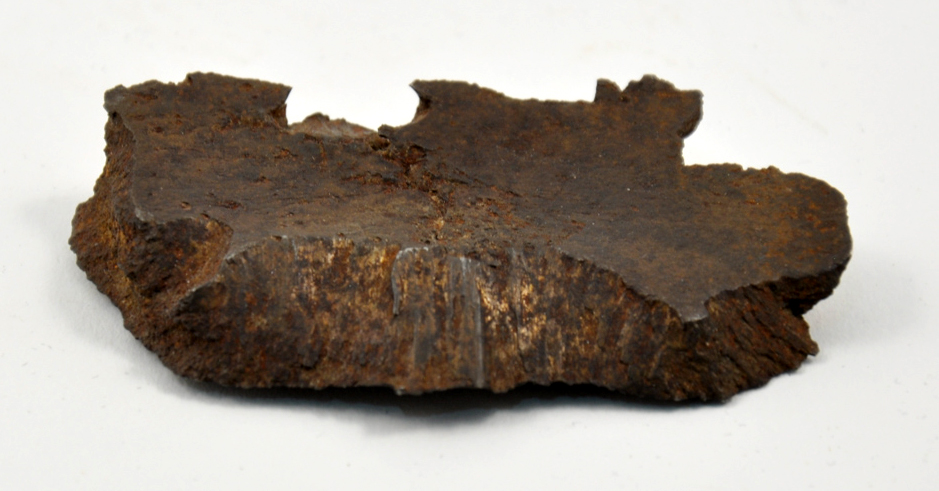
Firefighting teams from all over Scotland were called in to help Clydebank in the aftermath of the Clydebank Blitz. The town to the west of Glasgow suffered heavy bombing on the nights of 13 -14 and 14 -15 March 1941. These pieces of shrapnel were found in a door from the blitz; it is uncertain if the metal originates from a bomb or from an aircraft.
According to the National Records of Scotland, the Germans were aiming to destroy the military weapons and equipment factory in the Singer Sewing Machine works, John Brown & Company’s shipyard, and Beardmore’s engine works.
Glasgow sustained a higher number of fatalities (about 650) but Clydebank fared worse in proportion to its population, with 528 people killed out of 50,000.
Sources
The Clydebank Blitz 13 – 15 March 1941 | National Records of Scotland (nrscotland.gov.uk)
discover.hubpages.com/education/The-great-fishermen-of-Britain-Feeding-the-nation-during-WW2
bbc.co.uk/history/ww2peopleswar/timeline/factfiles/nonflash/a6651344.shtml
iwm.org.uk/history/8-facts-about-clothes-rationing-in-britain-during-the-second-world-war
About the Author
Ava is a Digital Collections Volunteer with the Curatorial Team at North Lanarkshire Museums & Collections.