
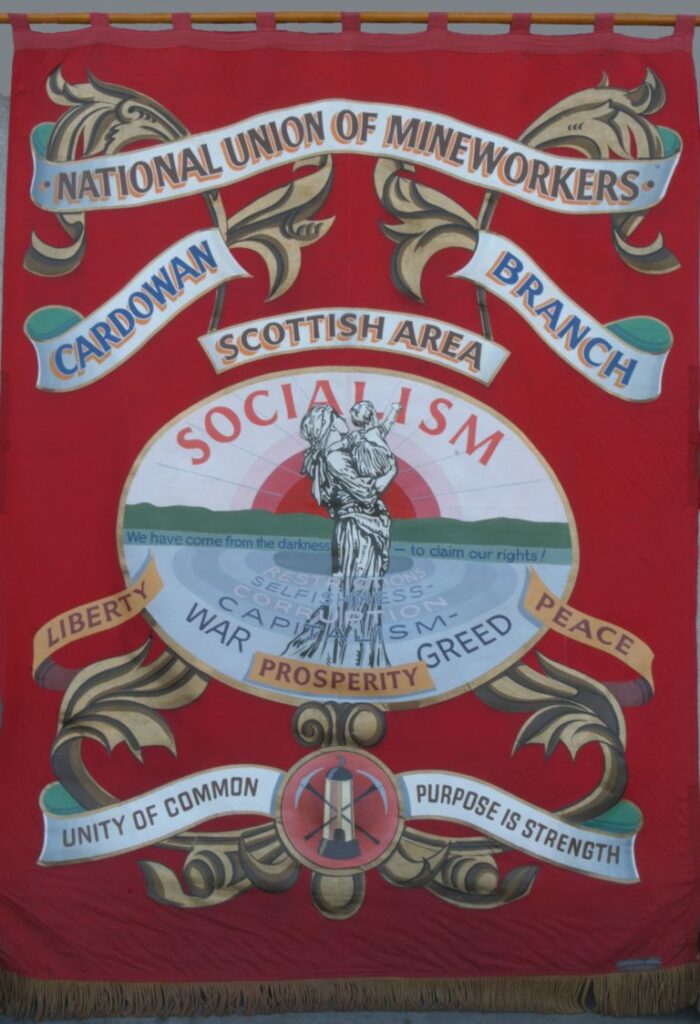
What is a Trade Union?
A trade union is a group of workers that form an organisation. Safeguarding and promoting the interests of its members is a trade union’s primary goal. However, the actions of a trade union, such gaining a wage increase, benefit all employees, not only union members. Beyond specific workplaces, trade unions can influence national legislation and secure additional rights for workers through their campaigning and lobbying efforts.
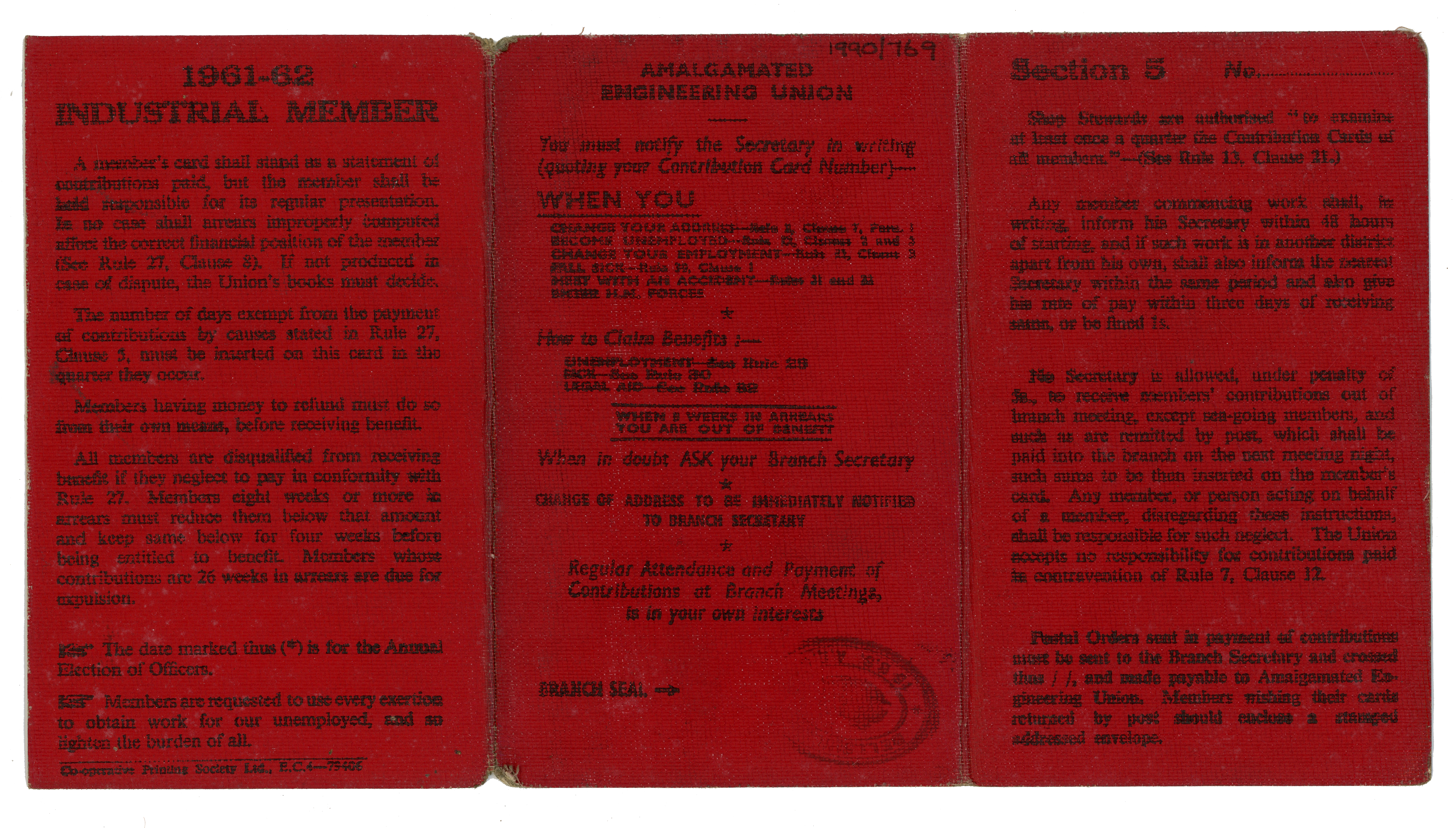
Trade Unions in the UK
The Industrial Revolution, which took place in Britain in the 1700s and 1800s and replaced an agricultural and rural culture with one focused on mass production in factories, textile mills, and mines, is where the labour union movement first emerged. Men, women, and even children often had to work long hours for poor wages in these new businesses, which often had terrible working conditions. Employees in the 1700s took part in a number of trade discussions in which they came together to address specific workplace issues rather than accepting these conditions quietly.
Any “combination” of workers guarding their rights faced opposition from the government, the media, and the owners of the factories. Any kind of strike action was banned by the 1799 and 1800 Combination Acts. A strike could result in two months of hard labour or a maximum sentence of three months in jail. As more factory workers formed trade unions in 1824 to demand better pay and working conditions, these organisations became legally recognised. Unions were acknowledged as legal bodies entitled to legal protection by the Trade Union Act of 1871.
Trade Unions in North Lanarkshire
Coal miners in North Lanarkshire gathered in the 1830s to protest their unsafe and risky working conditions and pay. Initially, they set up local trade unions, but they quickly concluded that national unions would better represent their interests.
The STUC was formed in 1897 as a result of a political disagreement with the English and Welsh Trades Union Congress (TUC).
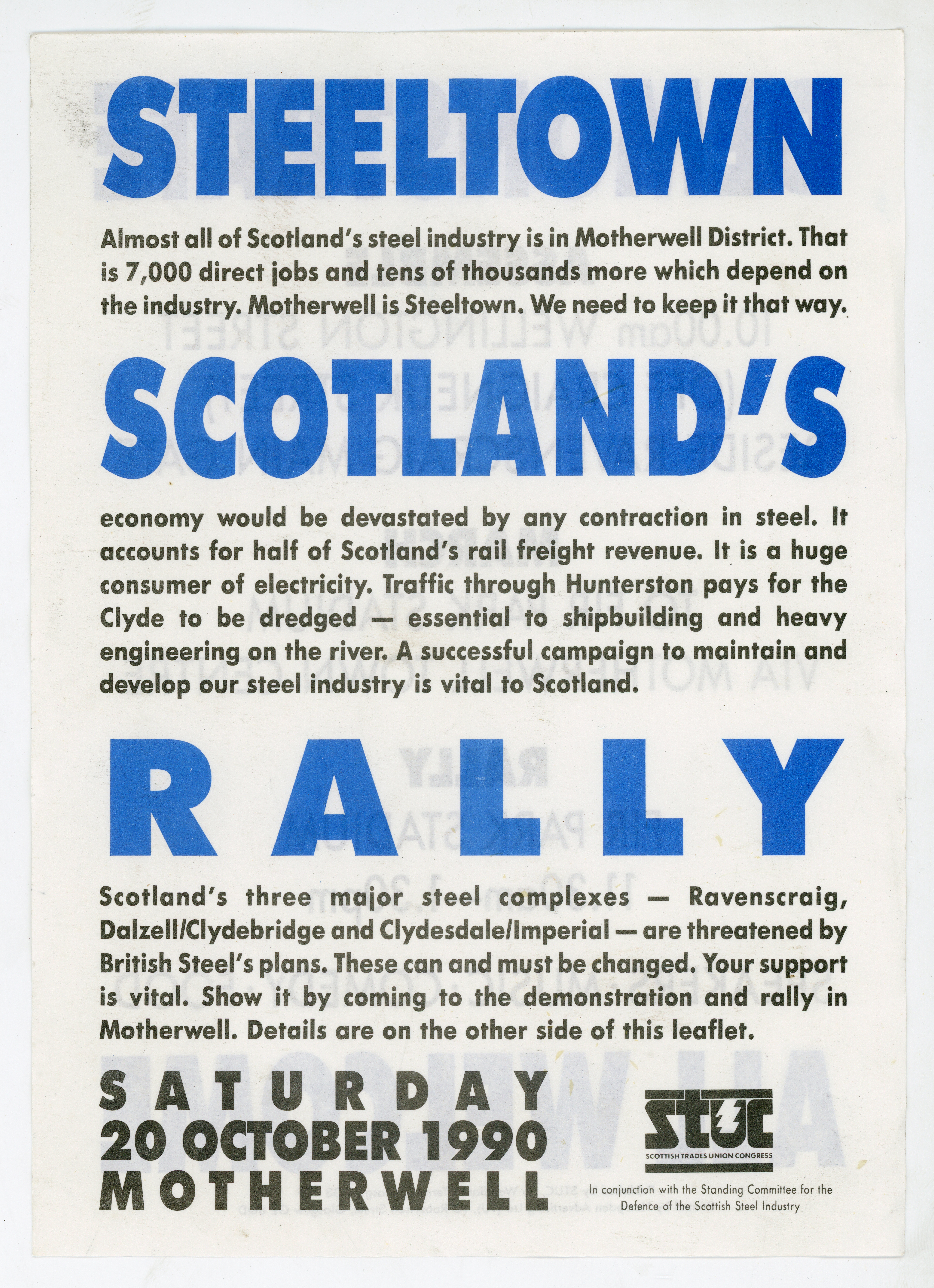
Today they are affiliated with 40 unions and represent over 500,000 workers. Some of the biggest and most well-known Scottish trade unions today are the EIS (Educational Institution of Scotland), UNISON and GMB. Trade unions such as these ones are often very involved in decision-making processes in Scotland as the government will often consult them and get their opinions before making decisions that could affect them. However, the government and local councils still sometimes have disagreement with trade unions that lead to strike action. A recent example of this is teachers, both primary and secondary, refusing to come into school and teach until they were given a pay increase.
About the Author
Lucy Irvine is a Digital Collections Volunteer with the Curatorial Team. She is a sixth year pupil at Airdrie Academy who hopes to study history at university next year. She has an interest in local history, particularly that of Airdrie and other places close by in North Lanarkshire.