
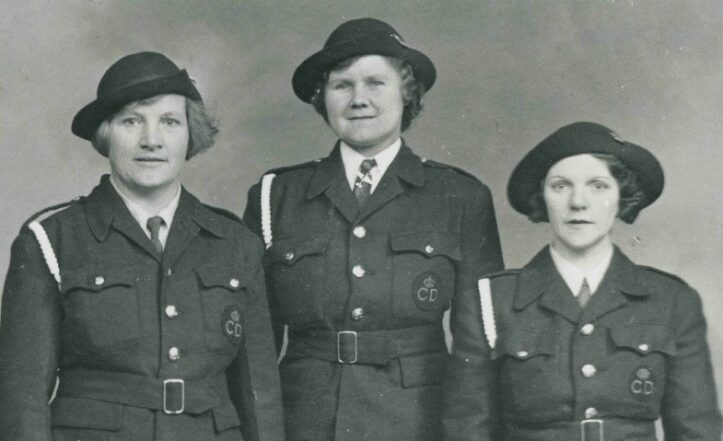
1 September 2024 marked 85 years since the start of World War Two. In commemoration of all the brave people that fought for our country, it seems only right to pay heed to the wonderful women who stepped up and took on new roles during this time. It was through the opportunities afforded to women by both the First and Second World War that women’s rights and responsibilities outside the home began to grow and expand. Just as the roles given to women in World War One had helped aid the suffrage movement in gaining women over 30 the right to vote in 1918 (lowering to the age of 21 in 1928), World War Two was pivotal in expanding women’s freedoms.
Womens Voluntary Services for Civil Defence (WVS)
The Women’s Voluntary Services (also known as WVS), recruited women to assist in civil defence. The women who were part of the WVS were primarily women who had responsibilities within the home, such as children or acting as a carer for elderly family members, that prevented them from being able to join other groups. These women were instrumental in helping out within their home towns to assist civilians and soldiers alike. Women in the WVS did a wide variety of jobs such as evacuating and finding suitable homes for children, running field kitchens and canteens at railway stations, operating clothing centres, and conducting carpools due to petrol rationing. By 1943 there were over 1 million WVS volunteers.
A part of the WVS was the Air Raid Precaution officers (ARP). Women who volunteered with the ARP assisted during the air raids. This meant that when the air raid siren sounded and civilians rushed to their nearest shelter, the ARPs would assist people in getting into the shelter and performed first-aid on anyone harmed, some even becoming ambulance attendants. They would also put out smaller fires and even tried to rescue anyone caught under debris. These women took upon themselves dangerous tasks in order to help out their local community.

Queen Alexandra’s Imperial Military Nursing Service (QAIMNS)
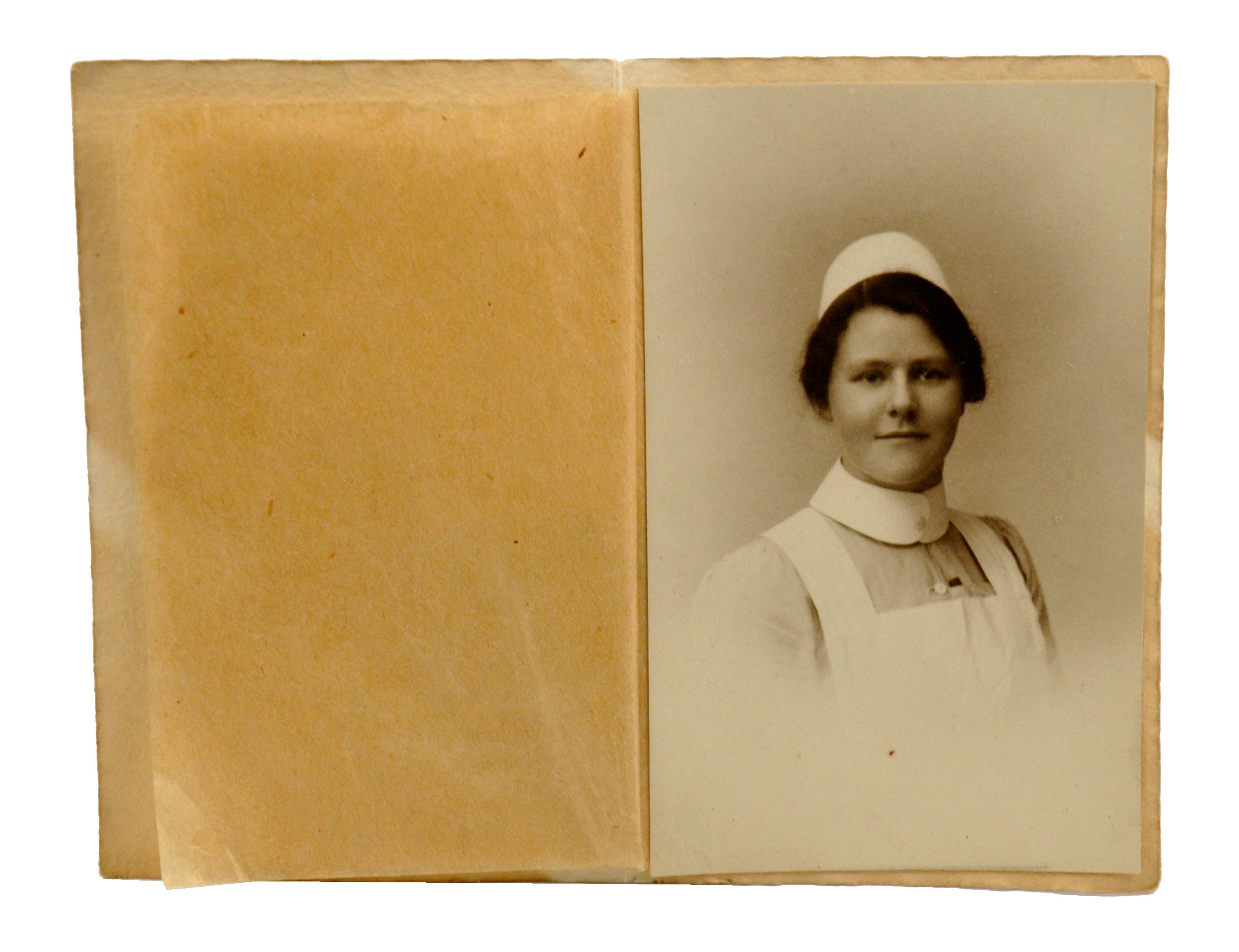
The Queen Alexander’s Imperial Military Nursing Service (QAIMNS) was established in 1902 by the War Office. The women that were a part of the QAIMNS nursed the soldiers of the British Army back to health. They provided nurses and sisters to all military general hospitals. Despite being formed in 1902, it was not until 1941 that the QAIMNS rank structure was brought into line with the rest of the British Army. The ranks of the QAIMNS and their equivalents within the army are as follows:
Sister – Lieutenant
Senior Sister – Captain
Matron – Major
Principal Matron – Lieutenant Colonel
Chief Principal Matron – Colonel
Matron-in-Chief – Brigadier
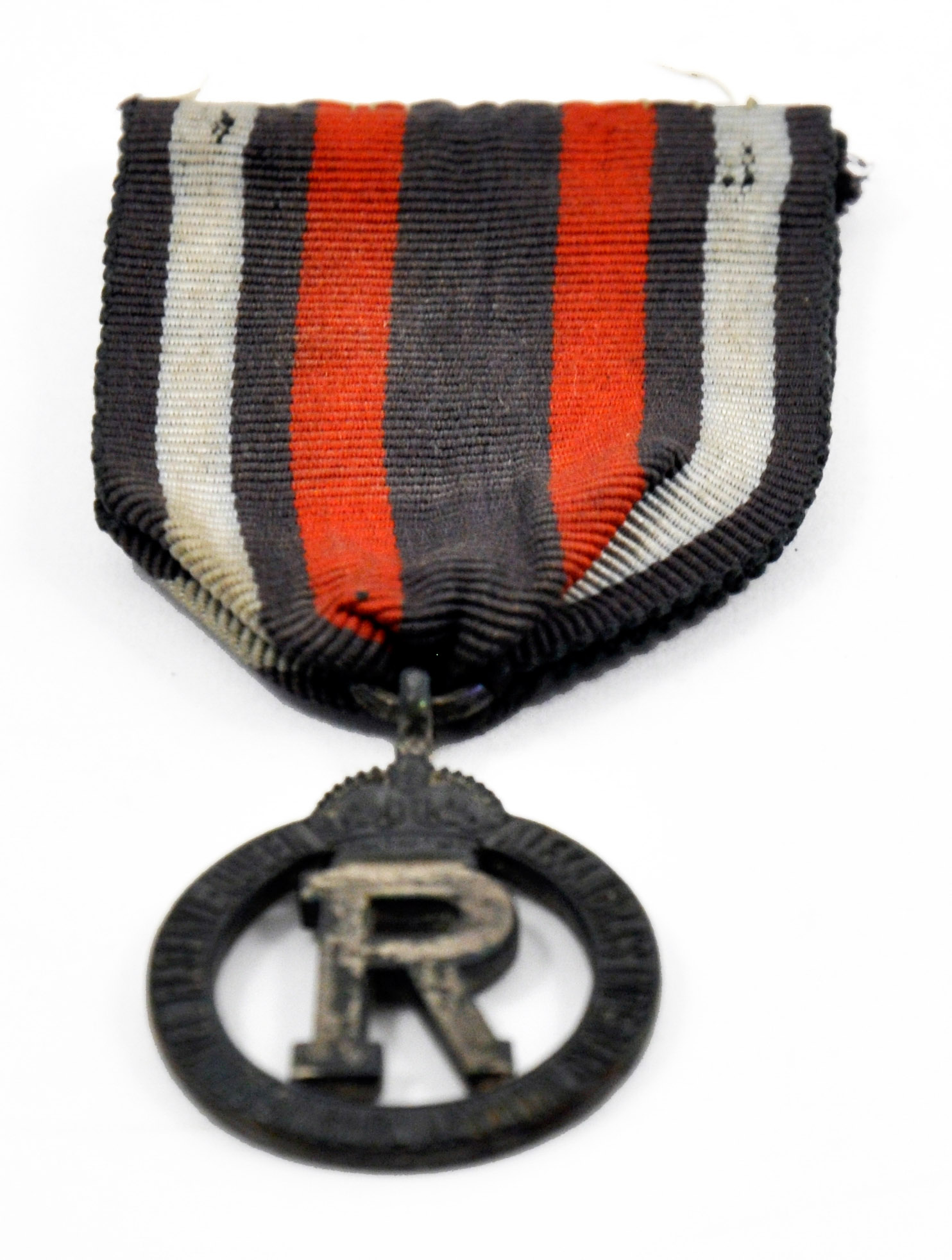
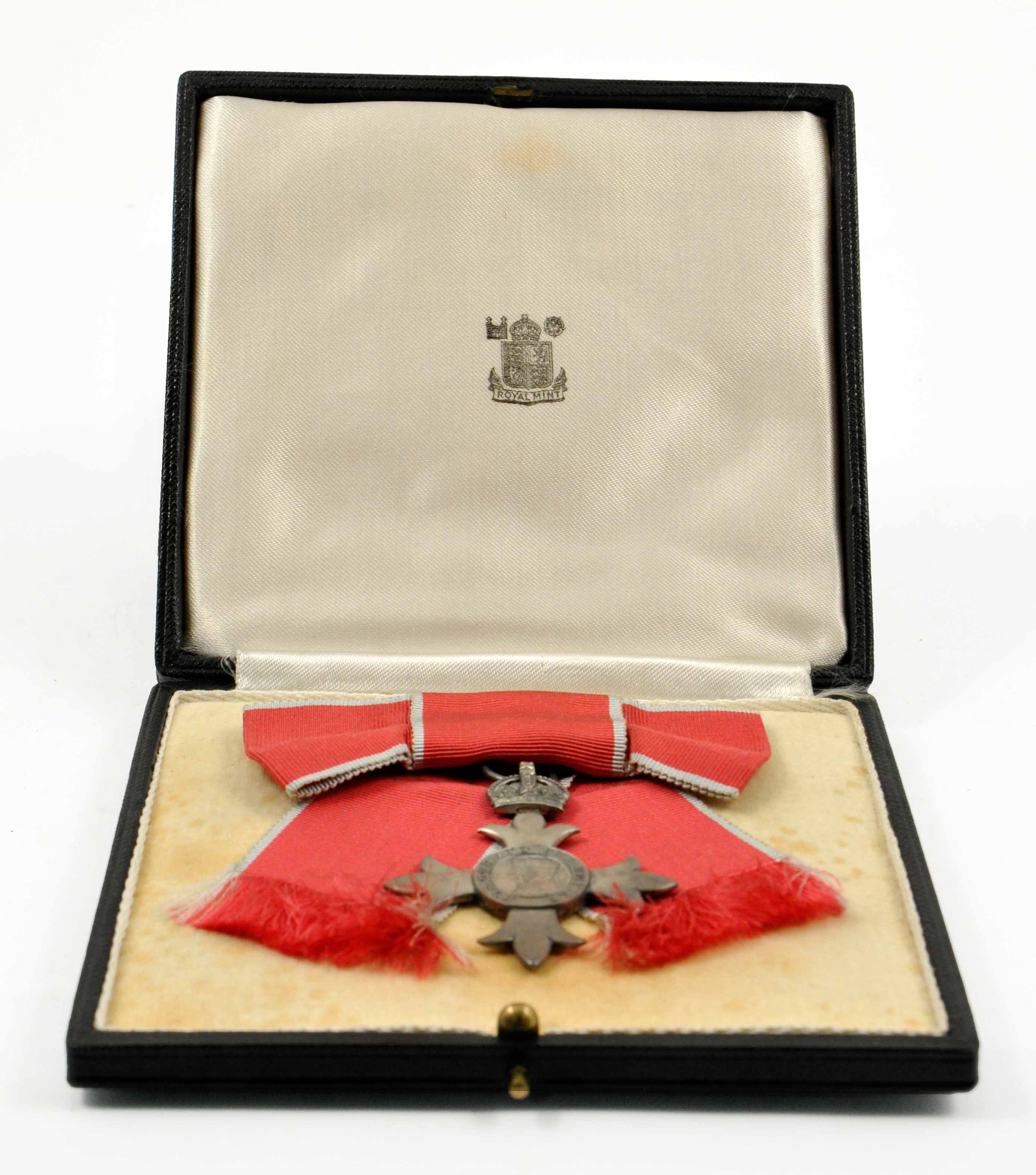
These women were instrumental in keeping our troops alive and fighting. So much so, that in 1944, QAIMNS women were the first women to arrive at Normandy beach and set up a general hospital that could aid around 600 people. In recognition of their valiant efforts, many nurses and sisters were awarded medals just like the MBE awarded to Mary Main, a ward sister at Killearn Hospital.

WRENS
Formed in 1917, the Women’s Royal Naval Service (WRNS or Wrens) was a branch of the Royal Navy. It was disbanded after World War One but quickly reformed in 1939 at the start of the Second World War. To being with, the duties of the WRNS volunteers was largely domestic. They took up duties such as cleaning and cooking. This was later expanded to a greater variety of roles. Wrens became wireless telegraphists and electricians. These women became so vital that the Naval Censorship Branch was staffed by WRNS clerks.
Wrens were also involved in the planning of the D-Day landings and working in the Government Code and Cypher School at Bletchley Park where codes of the opposition were broken. It was not only code cracking and telegraphing that these women did. They helped in a wide variety of tasks such as driving, clerical work, operating radar and communications equipment and providing weather forecasts.
Women’s roles during World War Two were expansive and incredibly important in keeping the country running. These are but a few of the many roles that women stepped up into to help out the men in the war effort. Another notable role was the Women’s Auxiliary Police Corps, who had no policing powers but undertook police clerical work and driving. Many women also became semi-skilled workers just like the women who helped out at Lamberton’s in Coatbridge, working on cranes and in the stores. It was due to these women that the country was able to keep running whilst the men fought overseas. They proved that women are just as capable in roles that were previously considered a male-only job and allowed women to step out of the home and begin experiencing new freedoms.

For more on the history of World War Two, take a read of Lex’s incredible look at World War Two, 85 Years On. culturenlmuseums.co.uk/story/world-war-two-85-years-on/
About The Author
Written by Digital Collections Volunteer, Bryony Chapman. Bryony has a BA (Hons) in Ancient History and an MSc in Museum Studies. Her main area of interest is Roman life and influence in Scotland.