
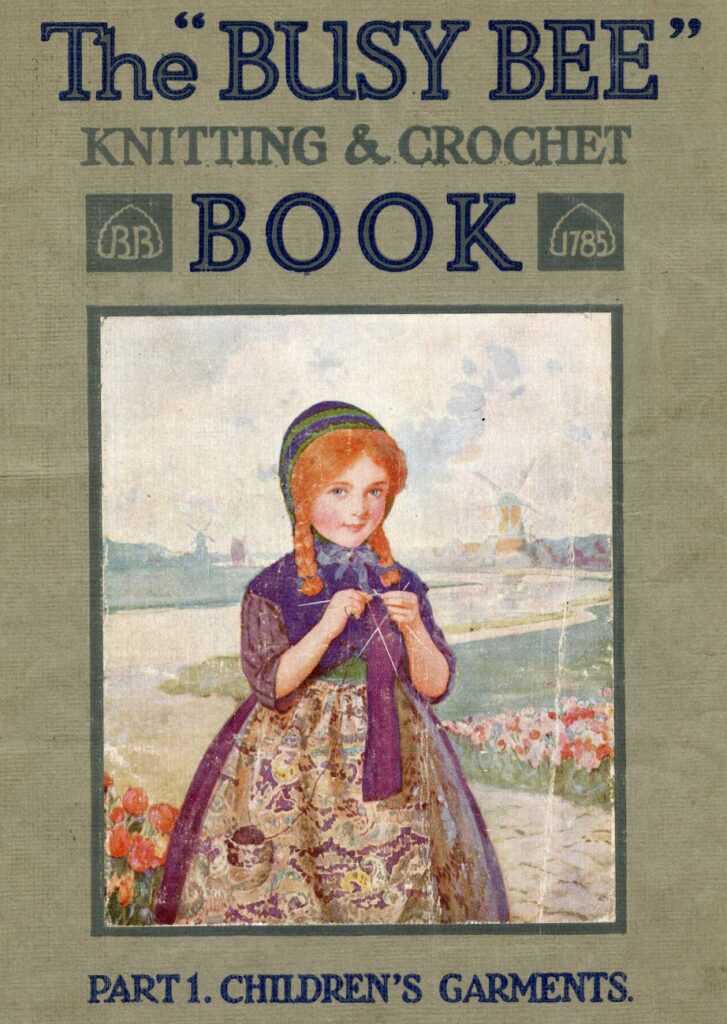
Crochet, knitting and embroidery have in the past decade or so have been seen as an ‘uncool’, ‘old fashioned’ craft. However, in the past few years since Coronavirus hit and forced us all inside, these crafts have seen a resurgence. It is now common to find people of all ages and genders sitting down with a crochet hook or embroidery hoop and getting crafty. I, myself, found a new love of embroidery during that first lockdown year. So how have these crafting staples changed over the last 100 years and why have they become so popular again?
1910s-20s
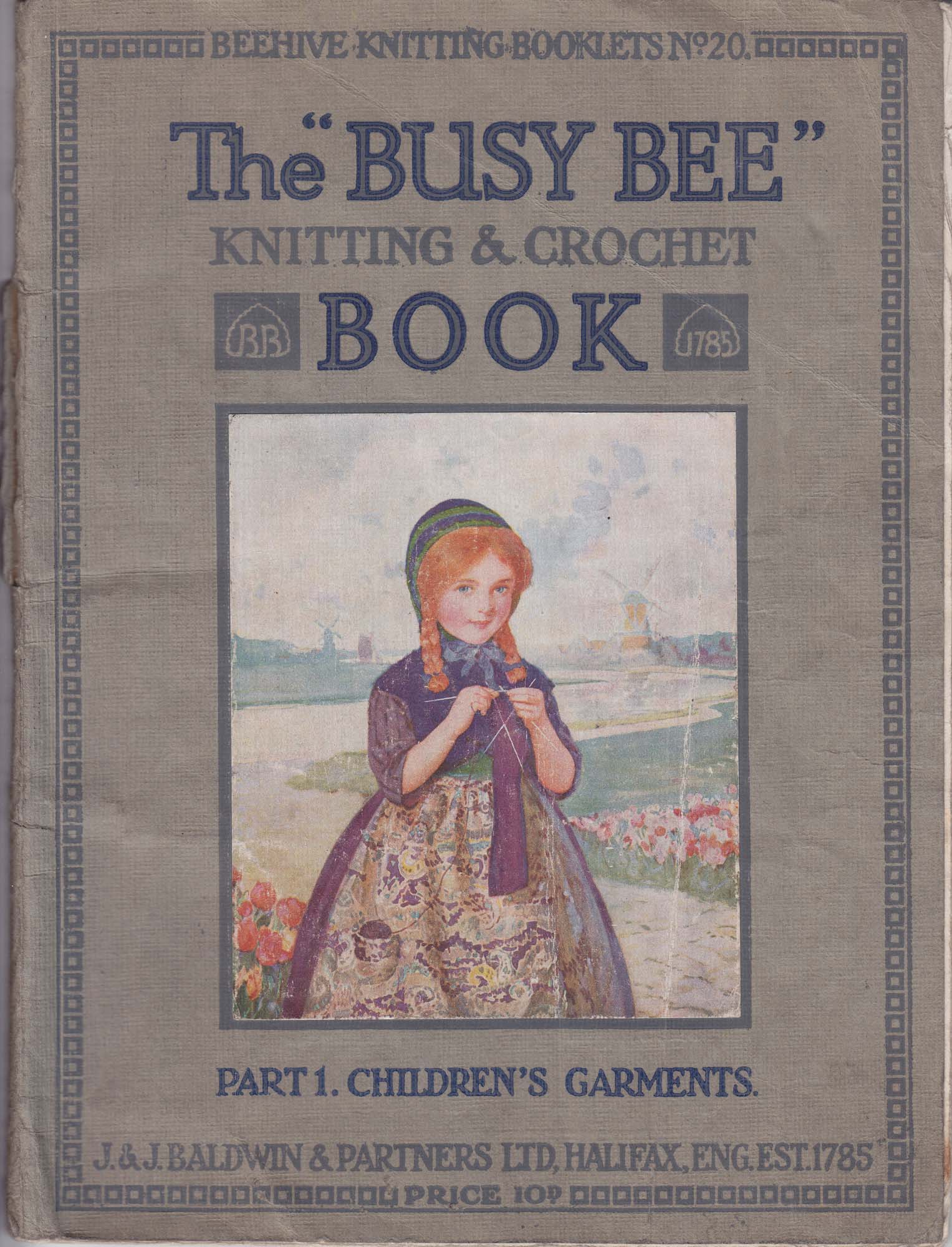
Crochet began to become more popular as a form of garment making during the 1910s and 1920s. Previous to this it was often used to create delicate and rich lace or home furnishings to adorn the house with, even being used by families during the Irish Potato Famine (1845-52) as a source of income. It was later during Word War One that women were encouraged to crochet and knit for their loved ones on the front lines. Garments like trench cap and mind sweeper gloves were all patterns available during this time.
After World War One, this is when entire crocheted fashion garments became popular. The flapper dress and cloche hat are items of clothing still recognised today that demonstrate the extent of crochet’s popularity during this time. Additionally, within the home, many women began crocheting garments for new additions to the family thanks to the post war baby boom.
1930s-50s
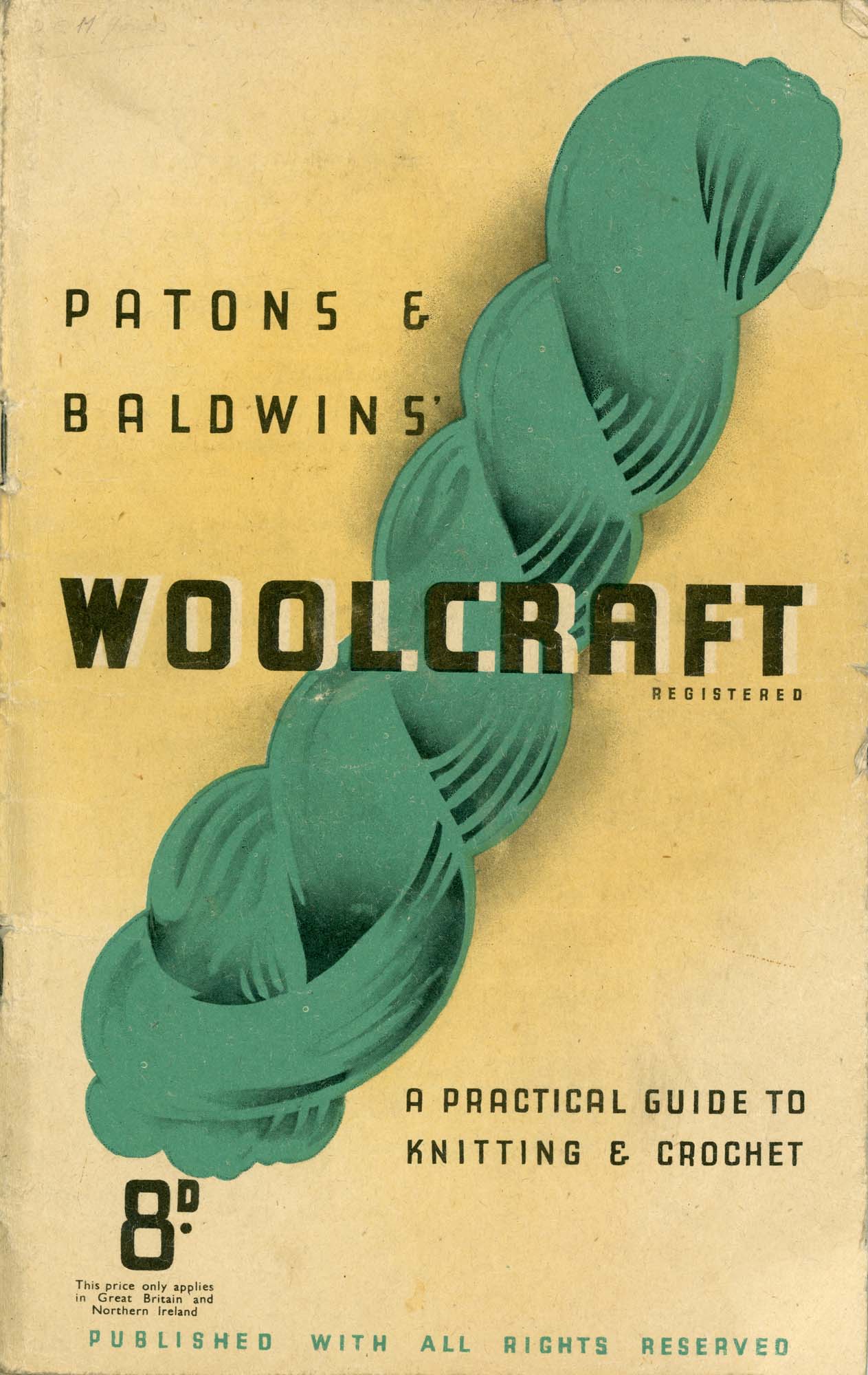
During the 1930s and 1940s, crochet, knitting and embroidery became a massive part of the war time effort, even more so than in the First World War. Many pamphlets and patterns during this time were aimed at garments for those fighting the war. Pattern guides with titles such as “”Service Woollies for Women” and “Woollies for our Sailors, Soldiers & Airmen” all circulated as part of the governments ‘Make Do and Mend’ campaign. This campaign promoted the idea of using embroidery, crochet and knitting skills to mend and make the most of the clothes you owned already. In doing so, the government circulated an increased number of ‘how to’ guides and instruction booklets.
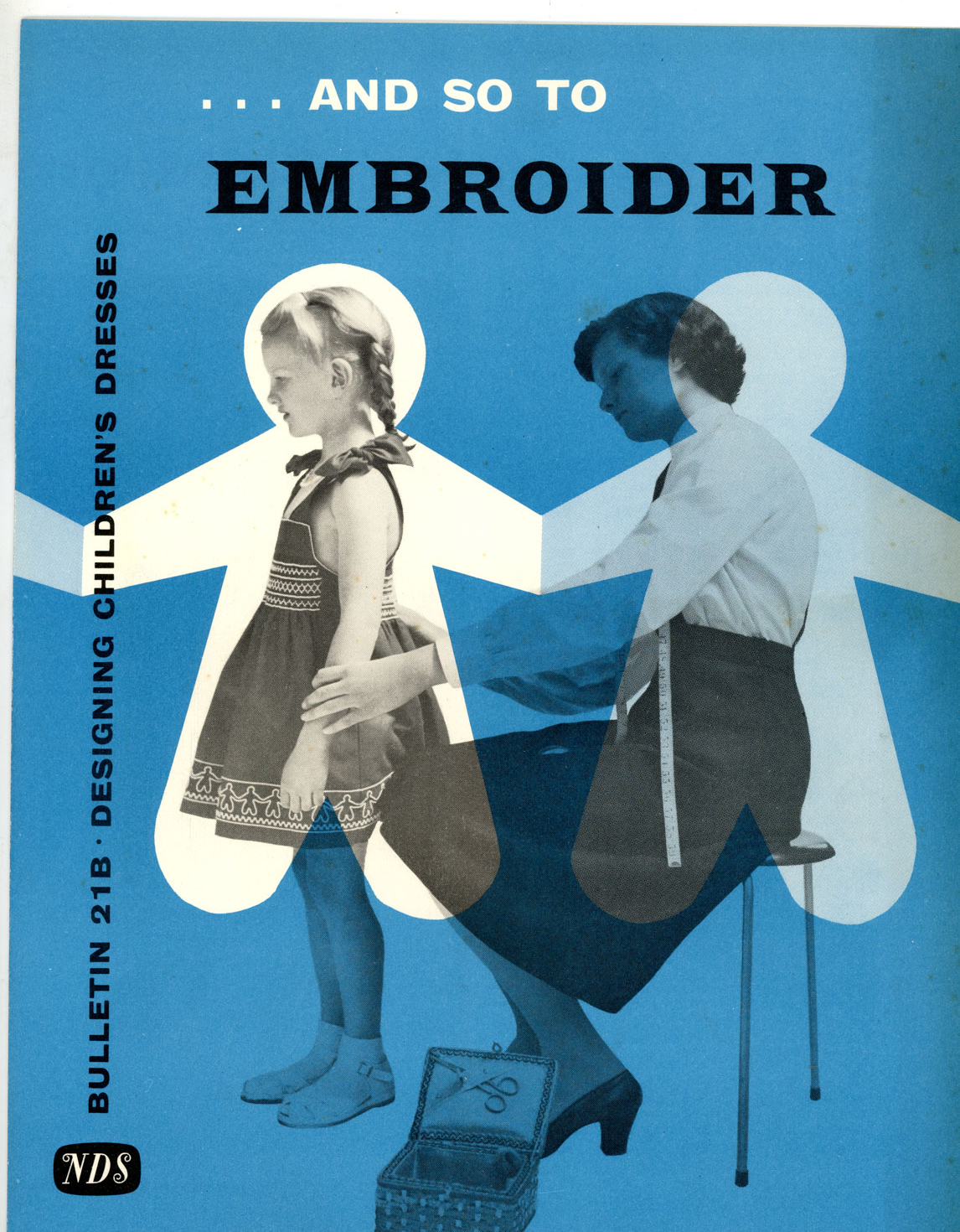
It was also during this period that the Needle Development Scheme (NDS) was established. This scheme was established in 1934 by the four art schools in, Aberdeen, Dundee, Edinburgh and Glasgow. It aimed at improving the standard and interest in crafts, such as embroidery and needlework, in the UK. Due to World War Two, the NDS scheme stopped but was restarted in 1944 with the Glasgow School of Art being instrumental in its revival and inclusion of other UK art schools. In the 1950s, the scheme printed roughly 15 million bulletins like the one below and issued them largely to young school girls for free. Sadly, the scheme lost funding in 1961.
1960s-70s
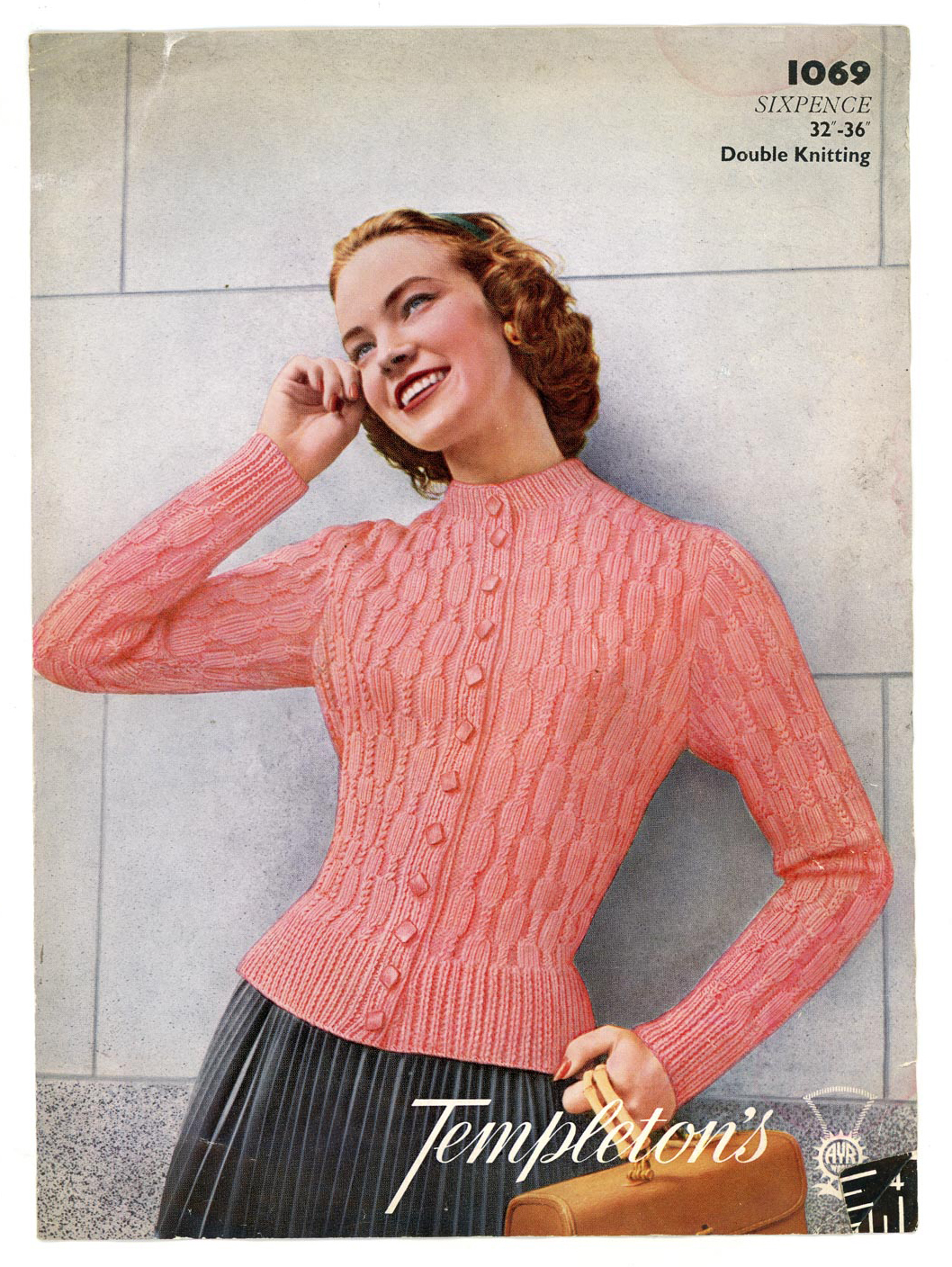
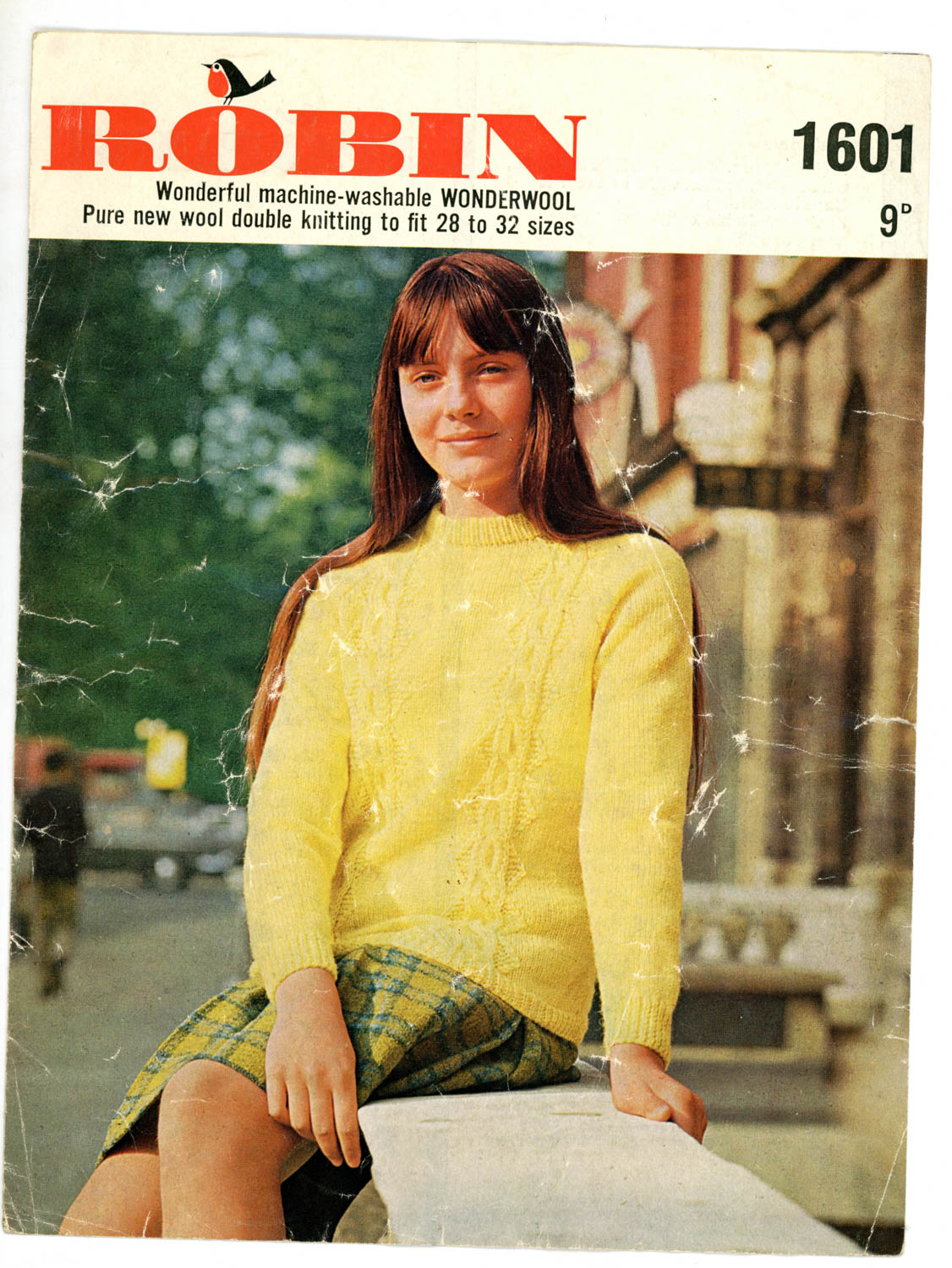
The 1960s and 70s saw another revival in the popularity of crochet and knitting. ‘Hippie’ and bohemian style garments allowed crochet to take on a new lease of life. Crochet became more colourful and could be seen everywhere from in the home to on the street as new fashion trends. Magazines with patterns and idea filled the shelves of shops. It was also during this time that the granny square found its popularity. The 1970s was also the last decade before the 2020s that crochet, embroidery and knitting saw mass popularity.
2020s
The start of the 2020s brings us back to where we started, a resurgence in the popularity of crochet, embroidery and knitting. As mentioned previously, it is thanks to enforced lockdown and the pandemic that many of us were stuck, bored in the home, looking for a new way to fill our time. Many people looked to starting a new hobby, starting new exercise regimes or teaching ourselves something new. Crafts like crochet and embroidery allowed people to expand their skill sets and, for those with a real knack for the craft, also to find a new way of bringing in some income. It is now incredibly common to find small business that sell all types of crafted items from crocheted garments, micro-crocheted accessories and even embroidered remakes of your own pictures.
Crafting has come a long way over the last 100 years and it has not always been popular. However, with the new forms the craft emerging every year, it is certainly making a strong comeback.
About the Author
Written by Digital Collections Volunteer Bryony Chapman. Bryony has a BA (Hons) in Ancient History and an MSc in Museum Studies. Her main area of interest is Roman life and influence in Scotland.